
Bat Removal and Exclusion on the Kenai Peninsula
The Critter Squad Inc. provides bat removal and exclusion services throughout the Kenai Peninsula, including Anchor Point, Kenai, Soldotna and Homer.
Bats in Kenai Peninsula Buildings
One Species, One Set of Building Problems
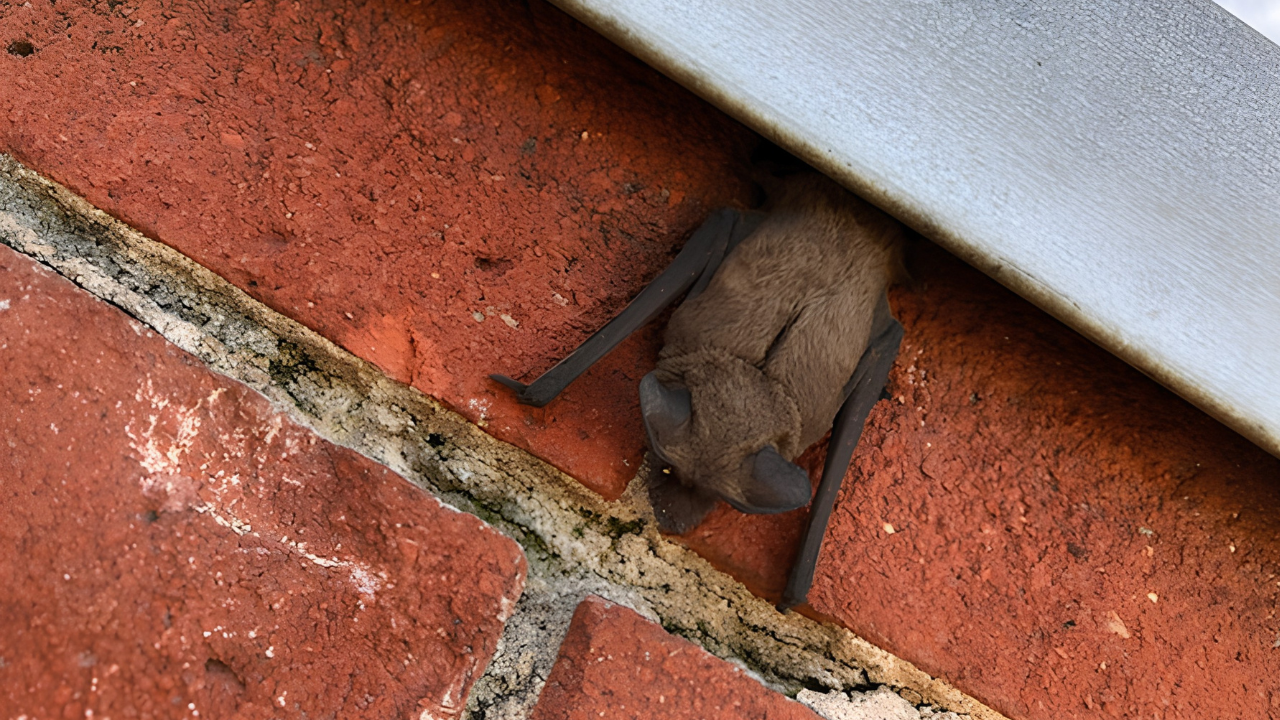
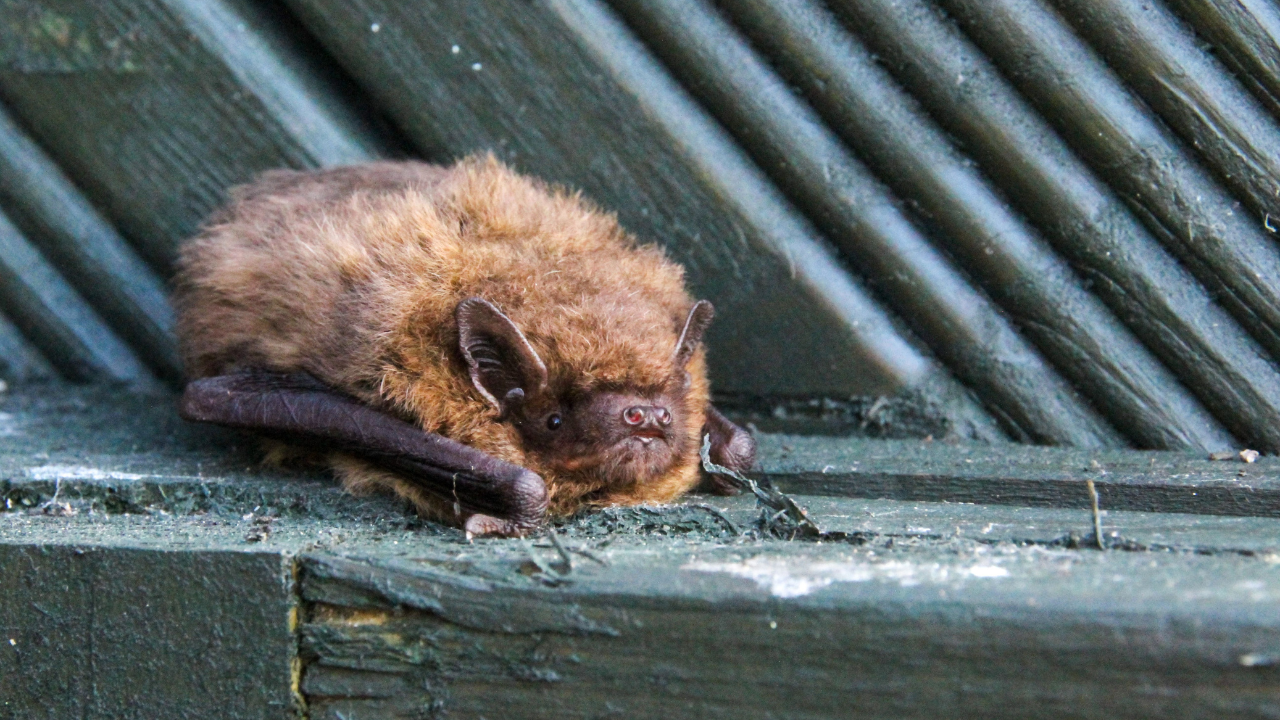
The Critter Squad Inc. provides bat removal and exclusion services throughout the Kenai Peninsula, including Anchor Point, Kenai, Soldotna and Homer. Little brown bats are small, colonial, and drawn to warm, protected voids with a small exterior opening.
Alaska Fish and Game lists chimneys, vents, soffits, joists and corners as common building entrances. We look for holes with staining and guano, then watch the structure at dusk to confirm which ones are in use. That is how we size the job and plan the work.
Entry Points We Inspect on Every Building
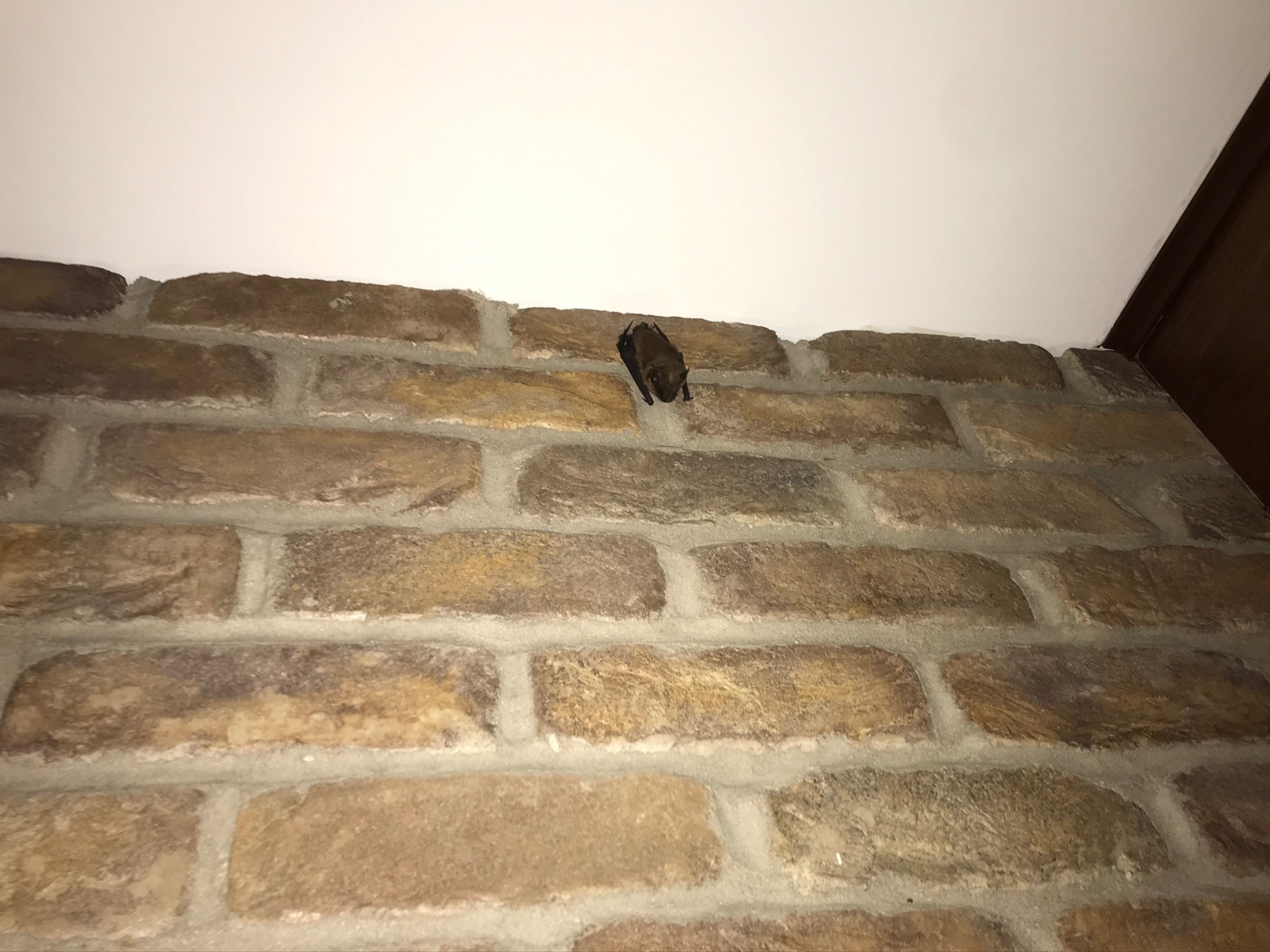
A bat needs a surprisingly small gap. We inspect the whole roofline, not just the section closest to the noise.
- Chimney caps, flashing and chimney-to-roof transitions
- Attic vents, gable vents, ridge vents and exhaust vents
- Soffit, fascia and roof-return gaps
- Eave intersections and roof-to-siding transitions
- Gable peaks and cabin roof notches
- Loose or warped siding, especially at upper wall and roofline joints
- Utility penetrations around conduit, pipes and exterior lines
- Corners, joists and construction seams
- Any opening marked by guano, dark staining or repeated dusk emergence
Ridge Vents and Roof Peaks
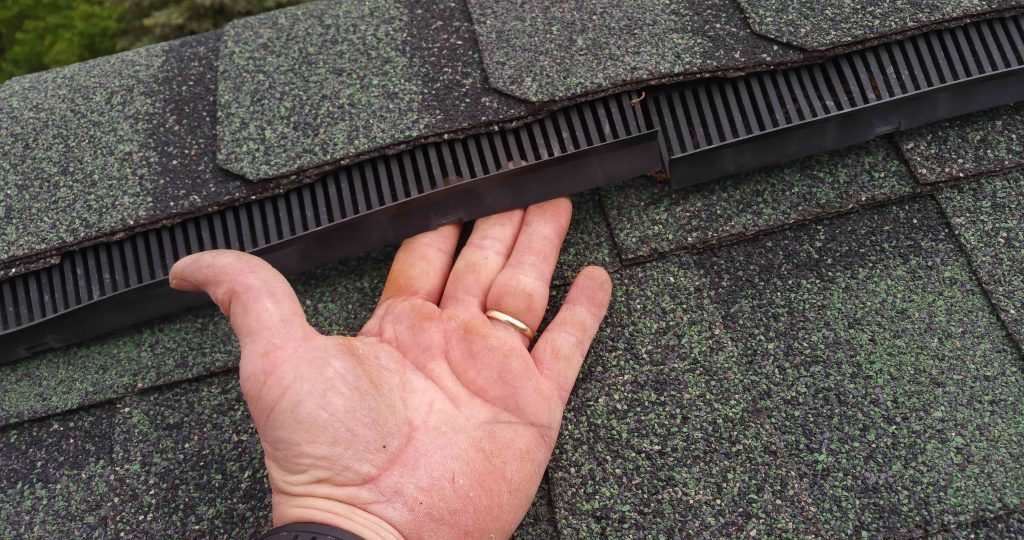
The ridge line is a main entry point on Kenai Peninsula homes. Ridge vent material pulls away from the shingles after a few winters and opens a run along the peak that leads straight into the attic.
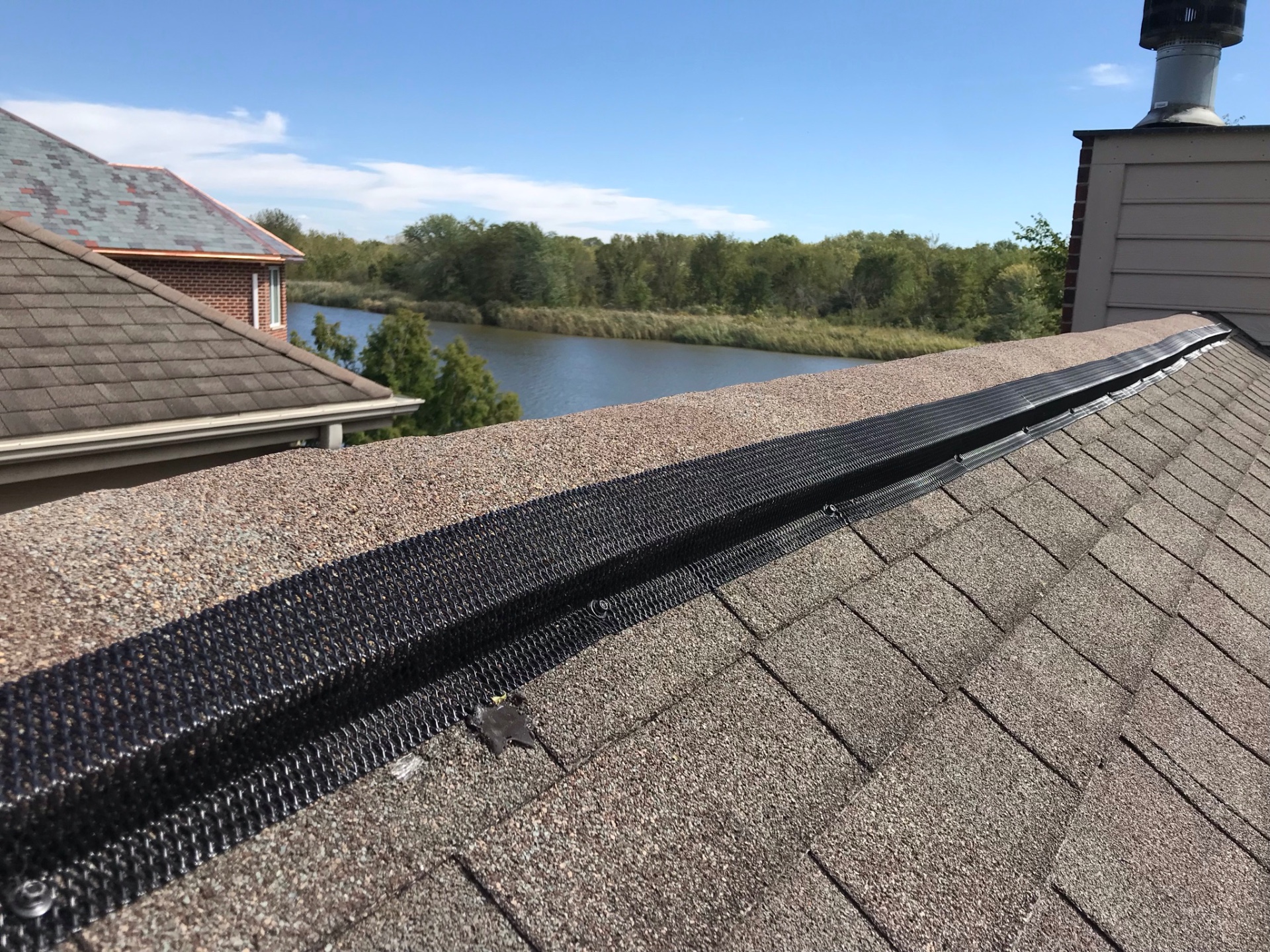
Sealing it shut is not an option in an Alaska attic, so we install ridge guard over the full run. The vent keeps exhausting attic air and bats lose the opening.
The Exclusion Sequence
We follow the professional sequence described by Alaska Fish and Game. Each step exists because skipping it causes a specific failure.
- Inspect the building and identify all potential entry points
- Confirm active exits by watching at dusk
- Determine which entrances are actually in use
- Install one-way exclusion devices at the confirmed active entrances
- Seal all non-active and secondary gaps along the roofline, attic and adjacent areas
- Leave the devices in place for a minimum of seven days
- Remove the devices and permanently seal the final entrances once all bats are out
What We Will Not Do
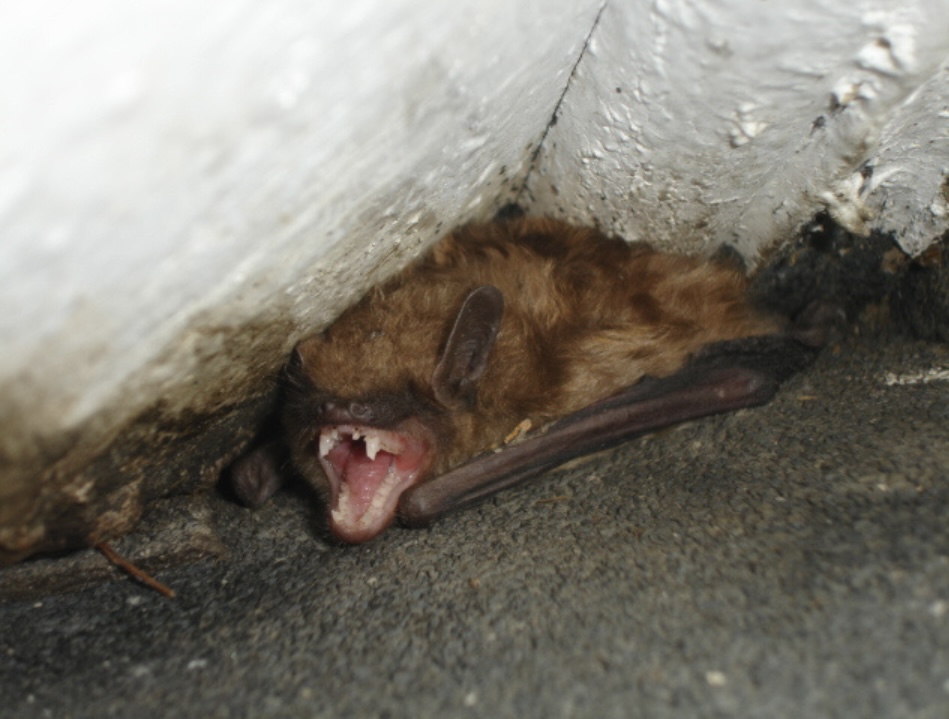
We do not sell repellents, ultrasonic devices, mothballs, poisoning, trapping or relocation as bat solutions. Alaska Fish and Game is direct about this: repellents do not work, pesticide use on bats is illegal, and exclusion is the only effective permanent approach for bats in buildings. We also do not run full exclusions during the maternity period: see all services, request an inspection.
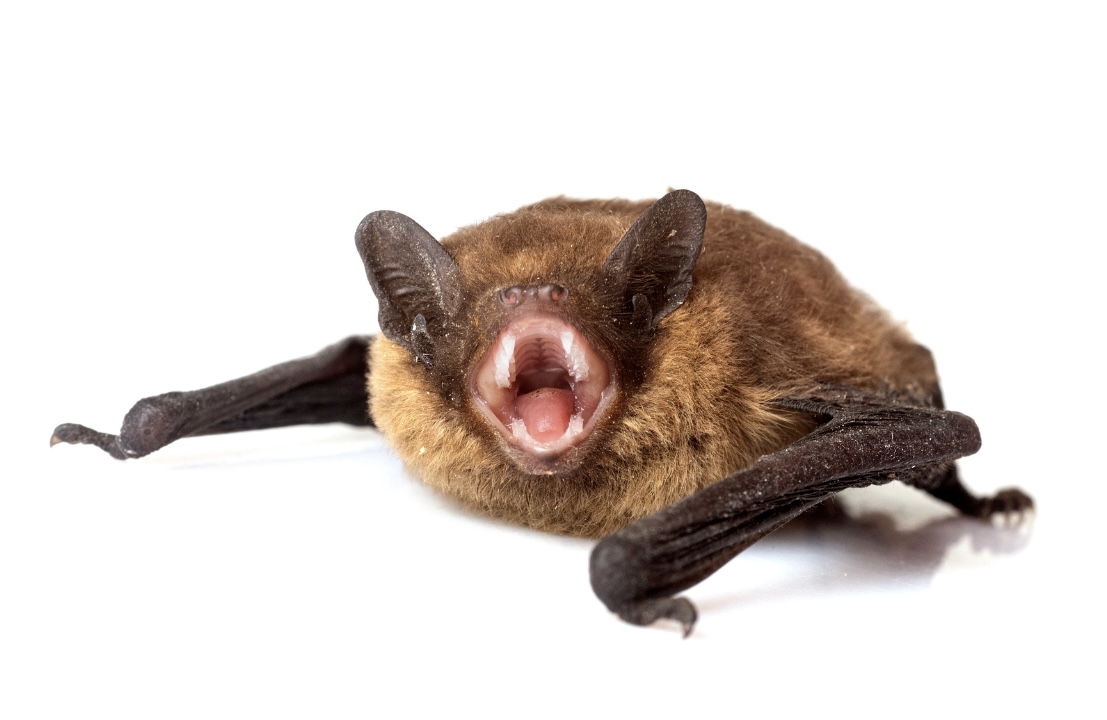
The Only Bat Species Roosting In Peninsula Buildings
They need half an inch to get in and they come back to the same roost every year until it is sealed.
(907) 299-9790When Bats Can and Cannot Be Excluded
Bat colonies found in Alaska homes and cabins during summer may be maternity roosts. To avoid separating adult bats from nonflying pups, full exclusion is not scheduled during the late-spring and summer maternity period. Alaska Department of Fish and Game recommends excluding maternity colonies in late September or early October, after young bats can leave the roost and forage independently.
Bats can return to roost sites quickly once average temperatures rise above freezing.
Our positionExterior inspection, entry point documentation and sealing plans. We never assume a building is empty without verifying it.
Pregnant females establish or return to maternity roosts.
Our positionAny active roost in a building is treated as potentially a maternity colony.
Pups are born, nursed and developing. Many are flightless or not reliably independent.
Our positionNo full exclusion and no one-way devices where pups could be stranded inside the structure.
Peak visible activity: dusk emergence, attic noise, guano accumulation and odor.
Our positionInspection, emergence observation, entry point mapping, interior separation and scheduling the exclusion.
Young bats can leave the roost and forage with adult females.
Our positionPrimary full-exclusion window recommended by Alaska Department of Fish and Game: one-way devices, secondary sealing, monitoring, final closure.
Reduced visible activity. Overwintering behavior in Alaska is not fully resolved.
Our positionCase-specific inspection. We do not sell winter eviction as automatic or routine.
How We Remove Bats
We inspect the home, seal every secondary opening, install one-way excluders at the main entry points, close the final gaps and clean the contaminated areas.
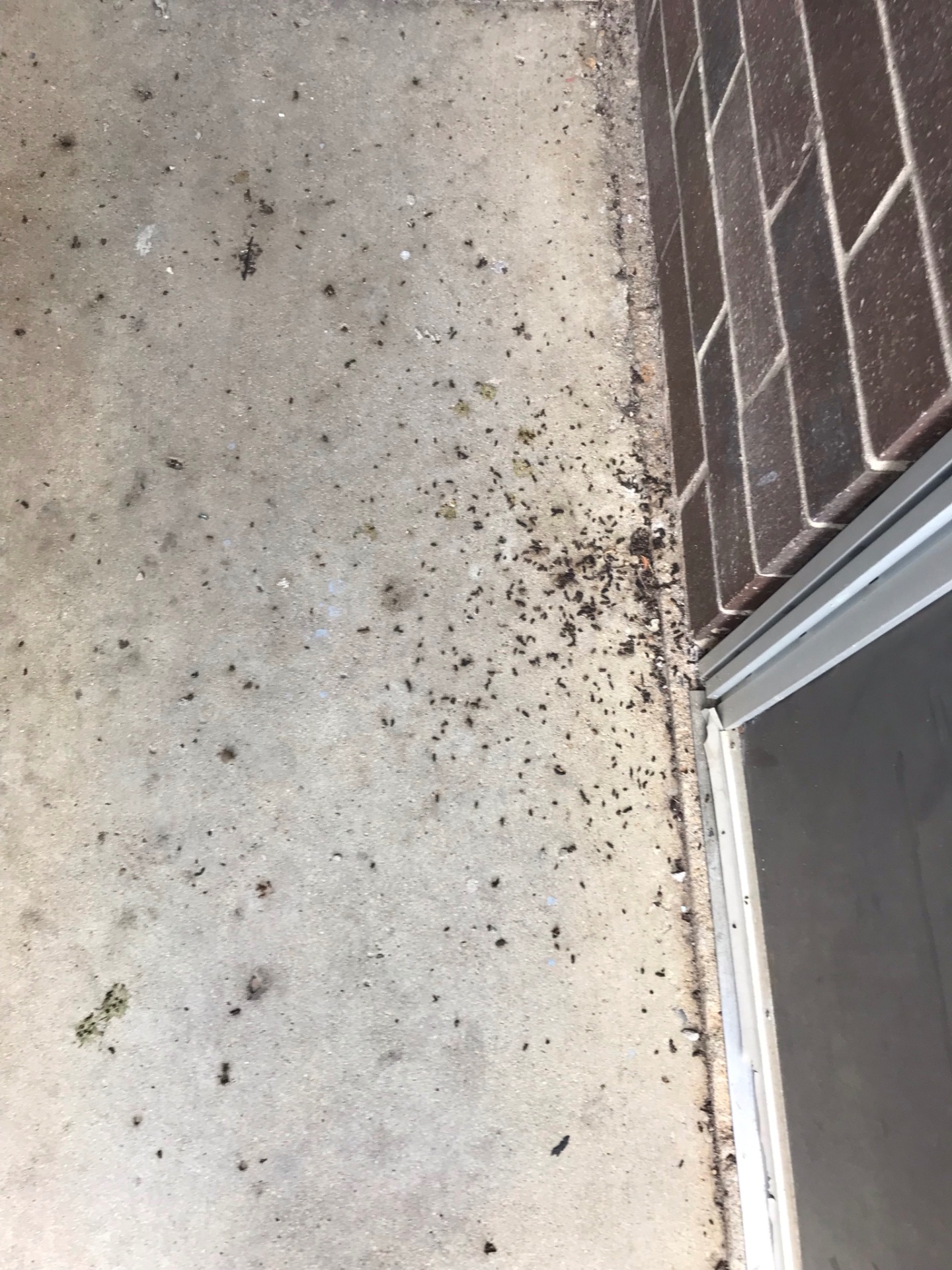
Inspection
We inspect the roofline, attic, chimney, vents and exterior to locate the main entry points, other open gaps and areas that bats could use later.
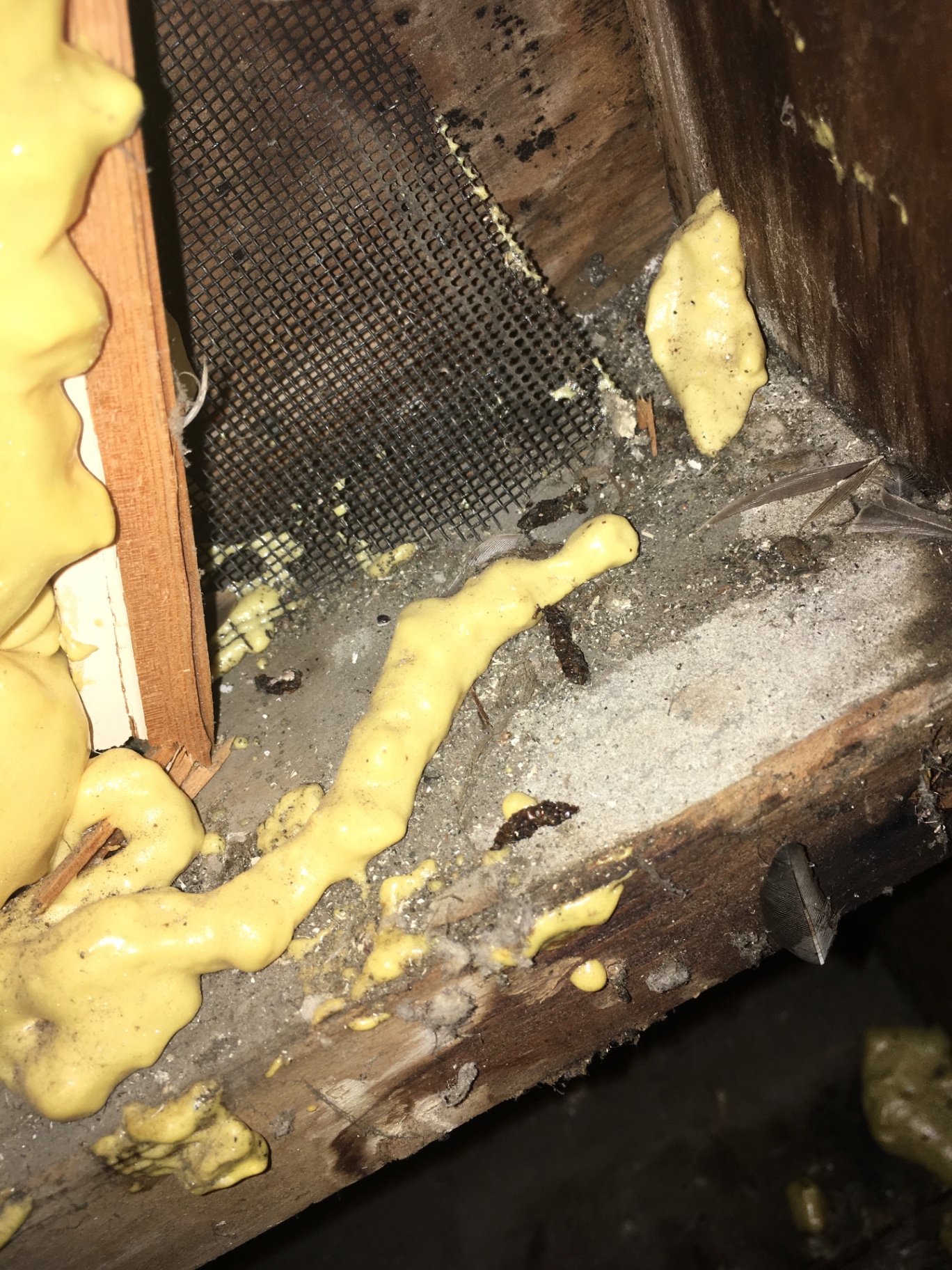
Seal Up
We seal every open and vulnerable area except the bats' main entry points. This prevents them from moving to another opening during the exclusion.
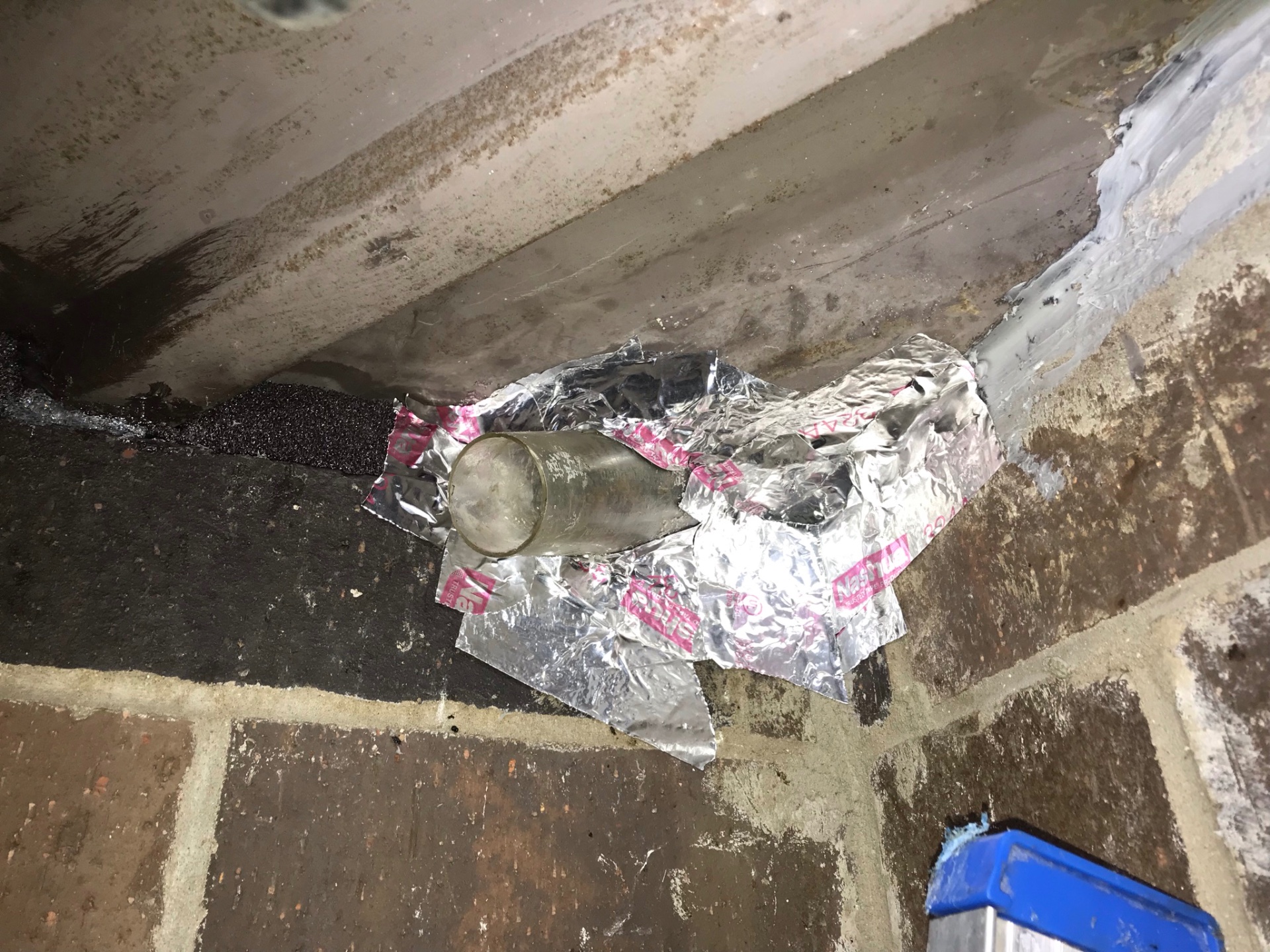
Exclusion
We install one-way bat excluders over the main entry points. The bats can fly out normally, but the devices prevent them from getting back inside.
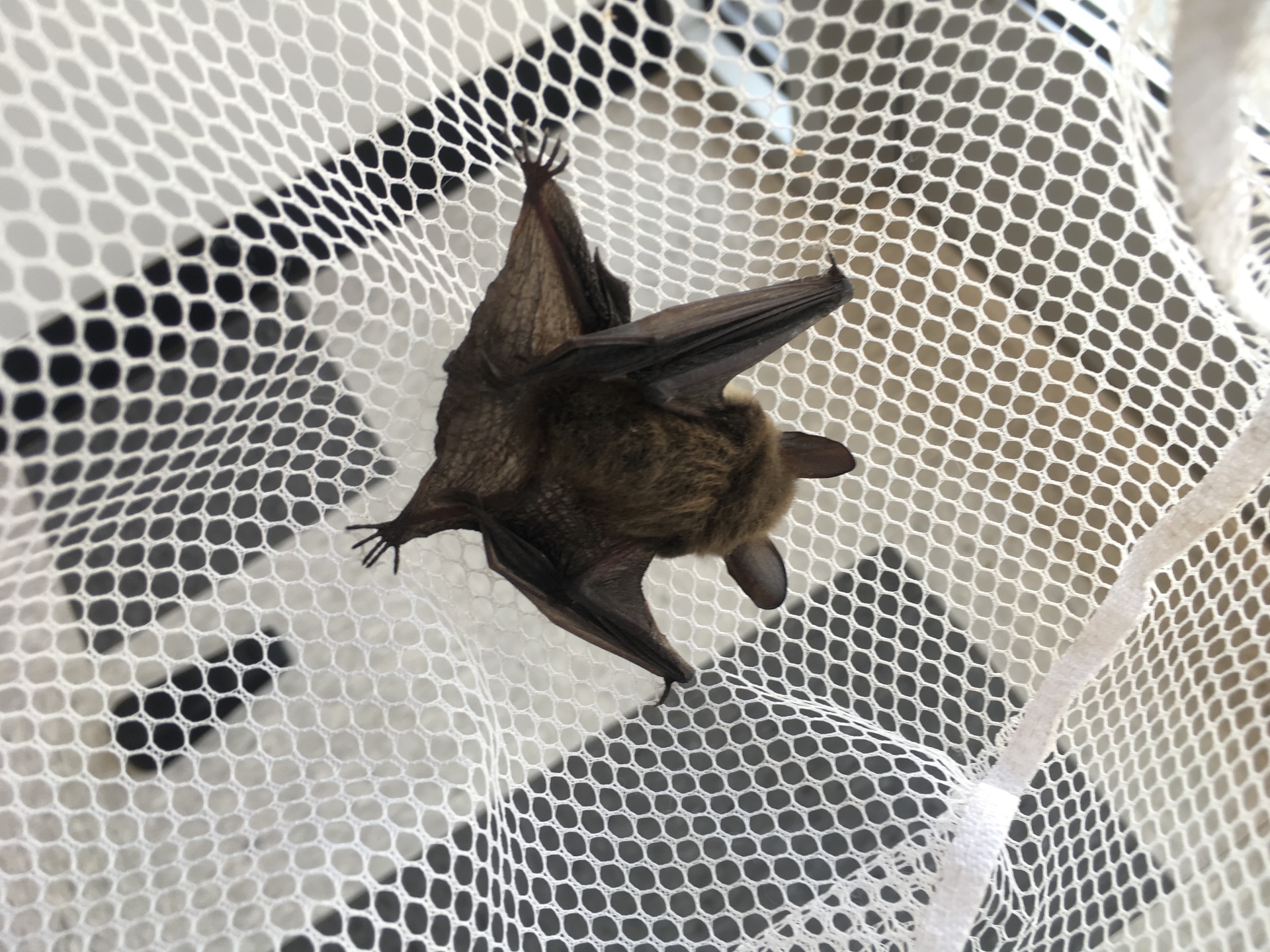
Removal
After the bats have left, we remove the excluders and seal the final entry points. The home is now closed against bats and the colony cannot return.
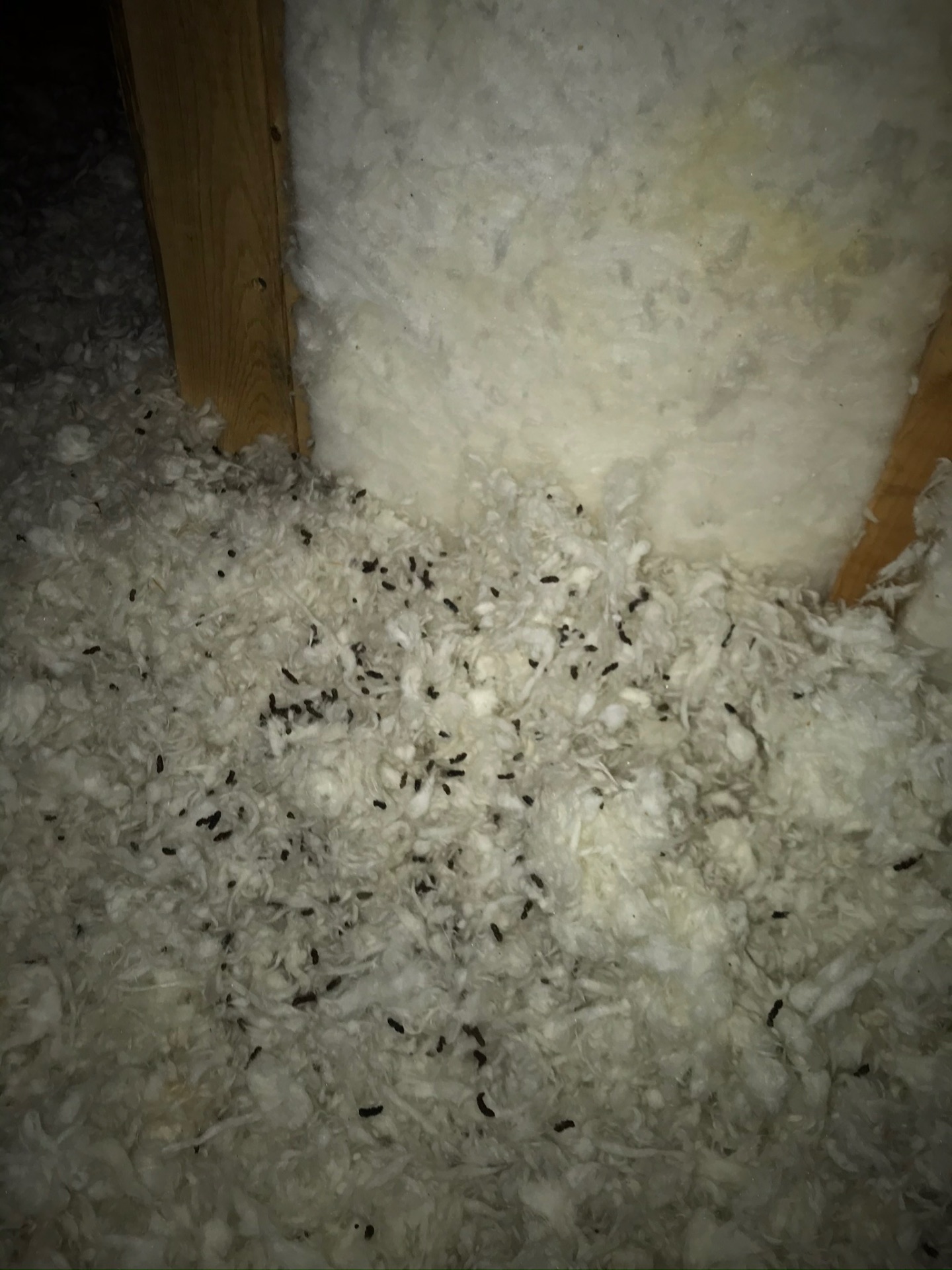
Cleanup
We remove guano and contaminated insulation, sanitize and deodorize the affected areas, and install new insulation where needed.
Get the Bats Out and Keep Them Out
We will find the entry points, explain the work and give you a clear scope for removal, cleanup and repairs.
Structures Bats Actually Use Here
Kenai Peninsula Bat Questions
When is the bat exclusion window in Alaska?+
Late September to early October for maternity roosts, per Alaska Department of Fish and Game guidance, once young bats are able to leave the roost and forage with adult females.
Is there a legal blackout date for bat exclusion in Alaska?+
We do not advertise a statutory blackout date. What we apply is an operational and humane blackout from late May through late August, when pups may be flightless, plus Alaska Fish and Game's stated preference for exclusion in late September or early October.
Can bats be excluded in winter?+
It depends on the building. Overwintering behavior for Alaska bats is not fully resolved, so we inspect case by case rather than treating winter as an automatic eviction window.
How long do one-way devices stay on the building?+
A minimum of seven days, monitored, before we remove them and permanently seal the final entrances.
What happens to the attic after the colony is gone?+
Guano and urine-contaminated insulation is removed, surfaces are cleaned and treated, and insulation is replaced where needed. Leaving contaminated material behind is the usual reason a house still smells after the bats are out.
Request a Bat Inspection
Tell us what you are seeing or hearing: scratching in a ceiling, bats leaving the roofline at dusk, droppings on the siding, or an odor in the attic.
Serving Anchor Point, Kenai, Soldotna, Homer and the surrounding Peninsula.