
Bat Inspections
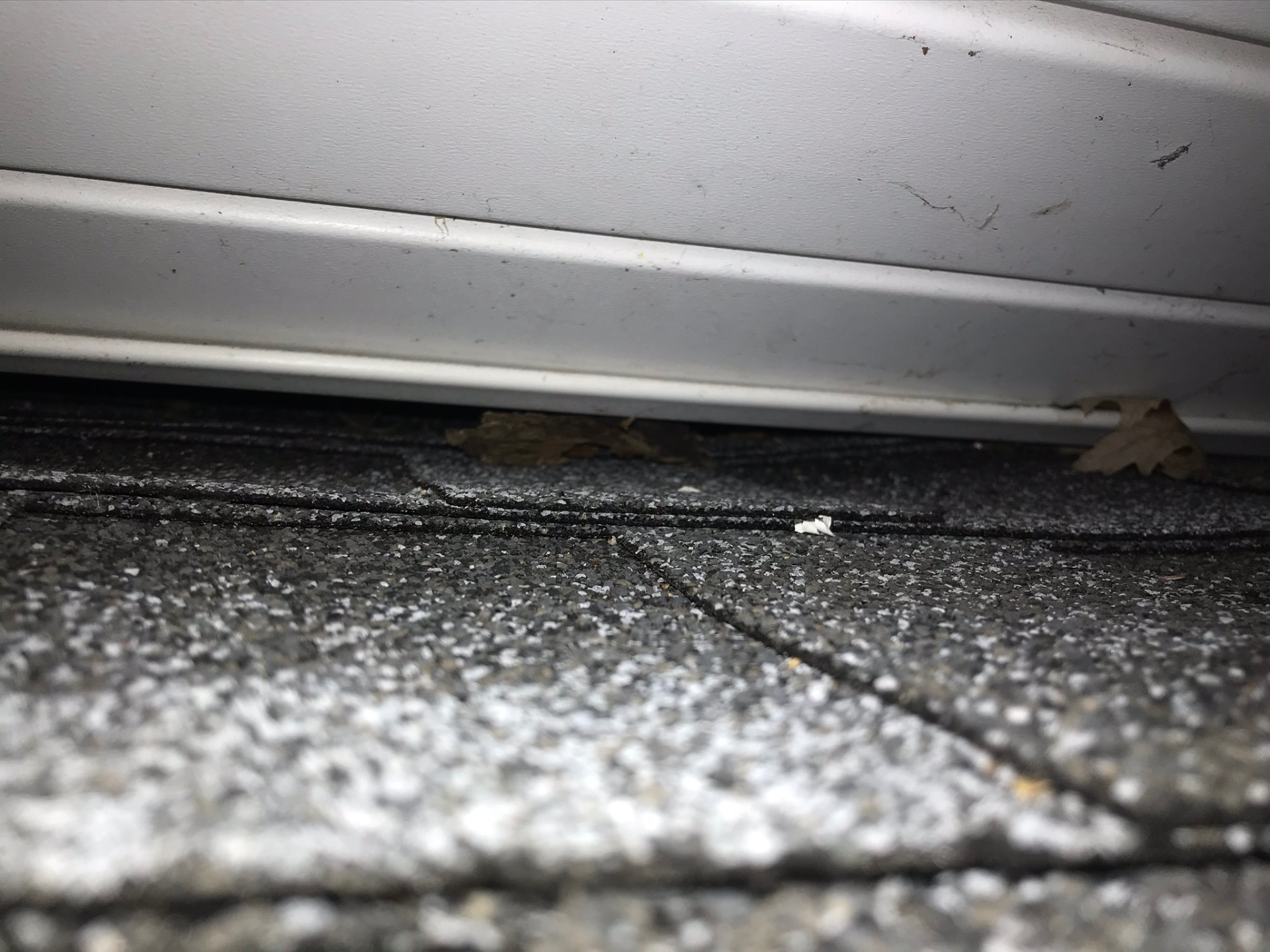
The Critter Squad Inc. provides bat inspections across the Kenai Peninsula. Every job starts here. We inspect the roofline, attic and exterior, watch the building at dusk to confirm active entry points, and give you a photo-documented map with a written scope and a realistic exclusion date.
Bat Inspections
- Exterior roofline and attic inspection
- Chimney, vent, soffit, fascia and gable assessment
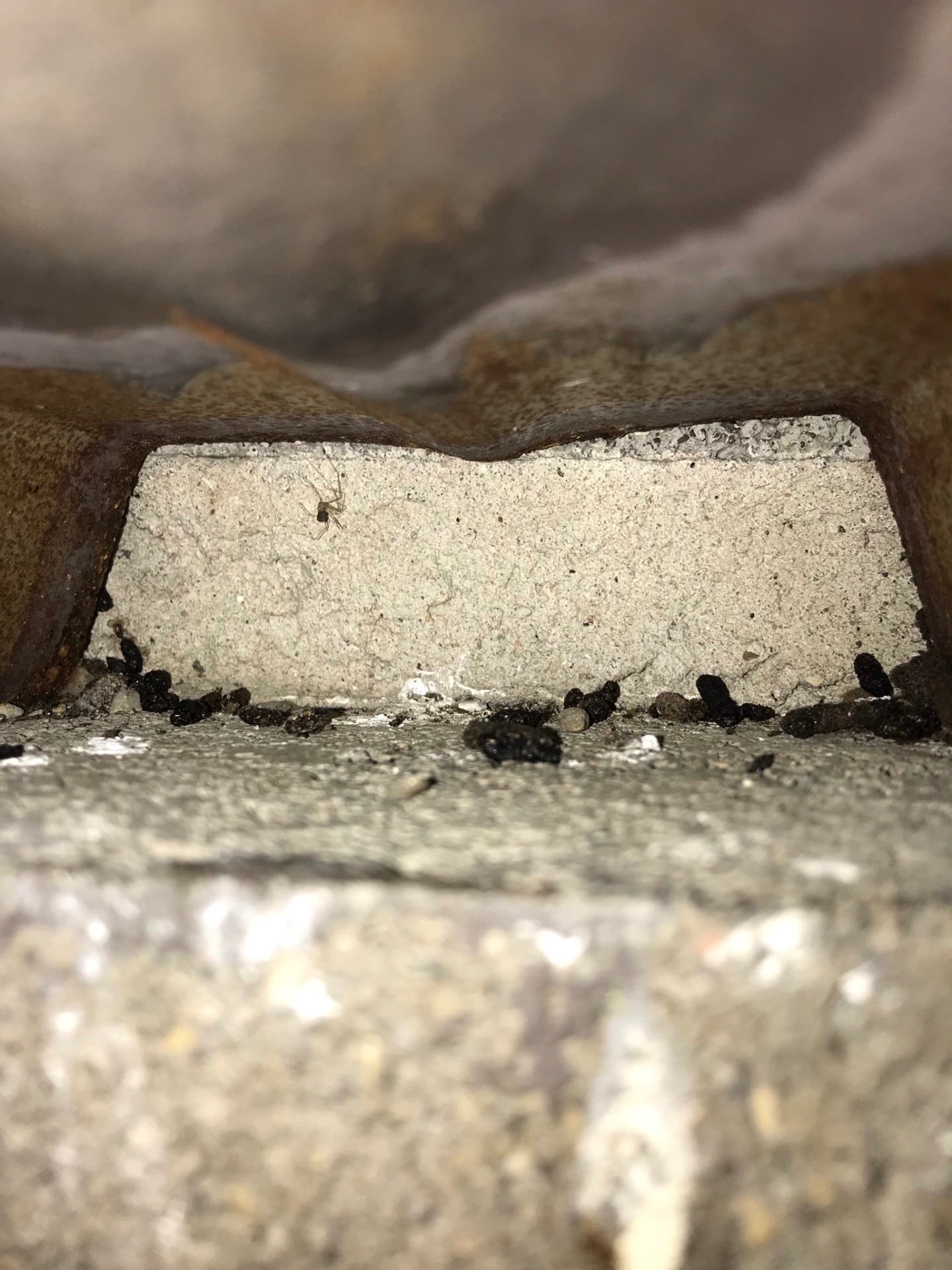
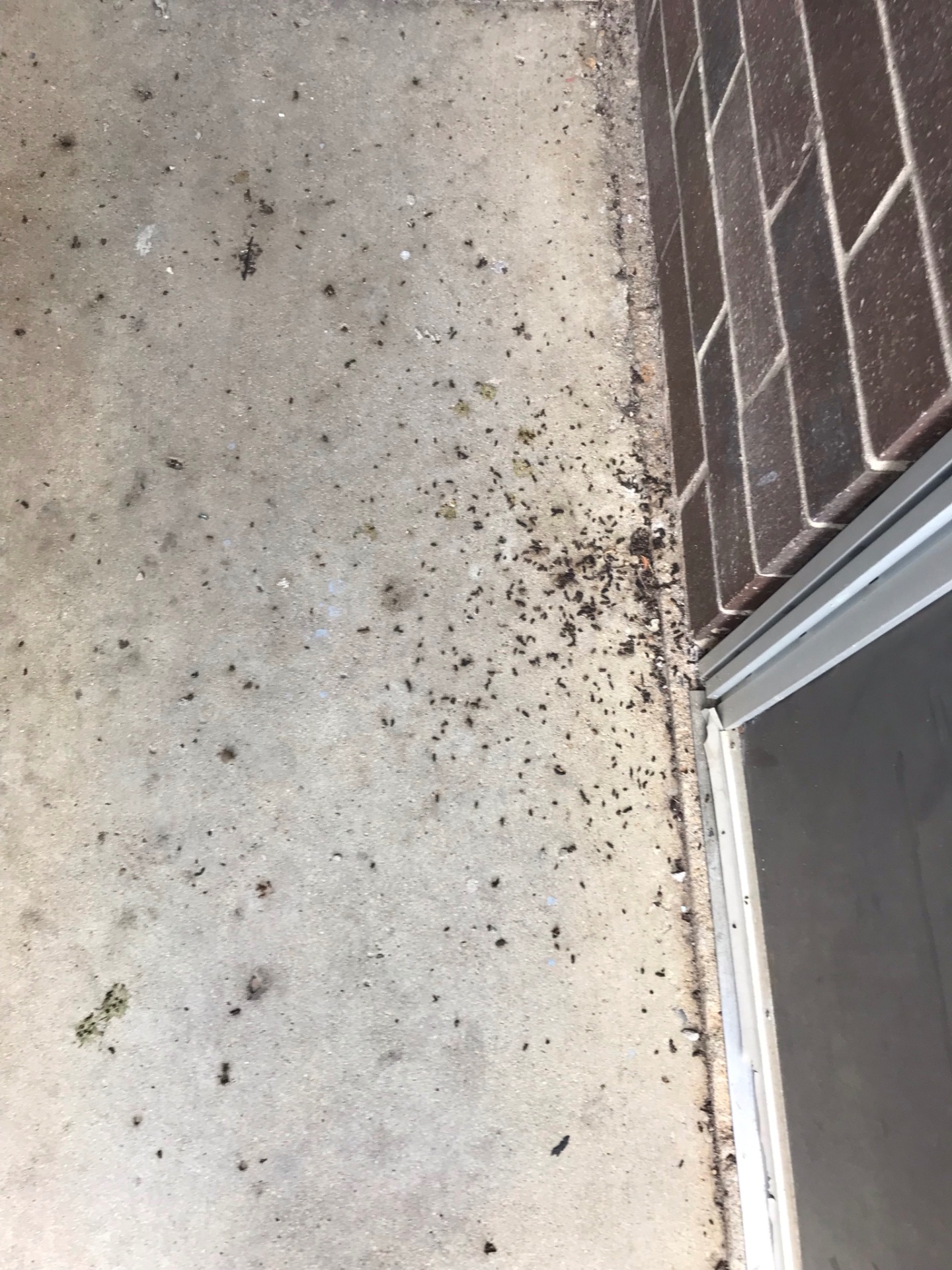
- Guano and staining evaluation at suspected openings
- Dusk observation to find active exits and estimate colony size
- Photo-documented entry point map
- Written scope and seasonal scheduling recommendation
How the Work Runs
Inspect the exterior, roofline features and accessible attic space.
Photograph every suspected entrance, guano deposit and stained opening.
Return at dusk to watch emergence and identify the entrances in active use.
Deliver the entry point map, contamination assessment and written scope.
More About Bat Inspections
What a Bat Inspection Covers
We inspect the whole roofline, attic and exterior, not just the area where you hear noise. Alaska Fish and Game lists chimneys, vents, soffits, joists and corners as common bat entrances. We look for holes with staining and guano, then watch the structure at dusk.
Inside, we look at the attic for guano accumulation, urine staining, odor and roosting locations along ridge beams and rafters. Outside, we work the roofline: chimney flashing, gable and ridge vents, soffit and fascia joints, roof-to-siding transitions, gable peaks, siding gaps and utility penetrations.
Dusk Observation
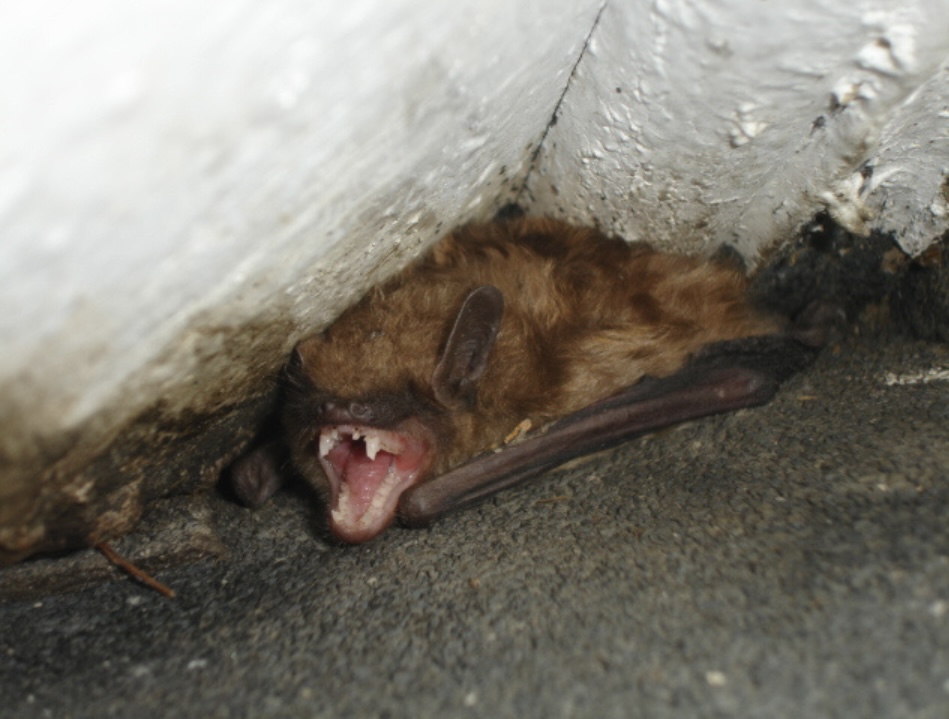
Guano and staining tell you where bats have been. Watching at dusk tells you where they are going right now. We position at last light and watch the building until the colony comes out, which identifies the active entrances and gives a rough count of the animals involved.
That count matters. A handful of bats and a colony of several dozen call for different device placement, different sealing scope and different cleanup expectations.
What You Receive
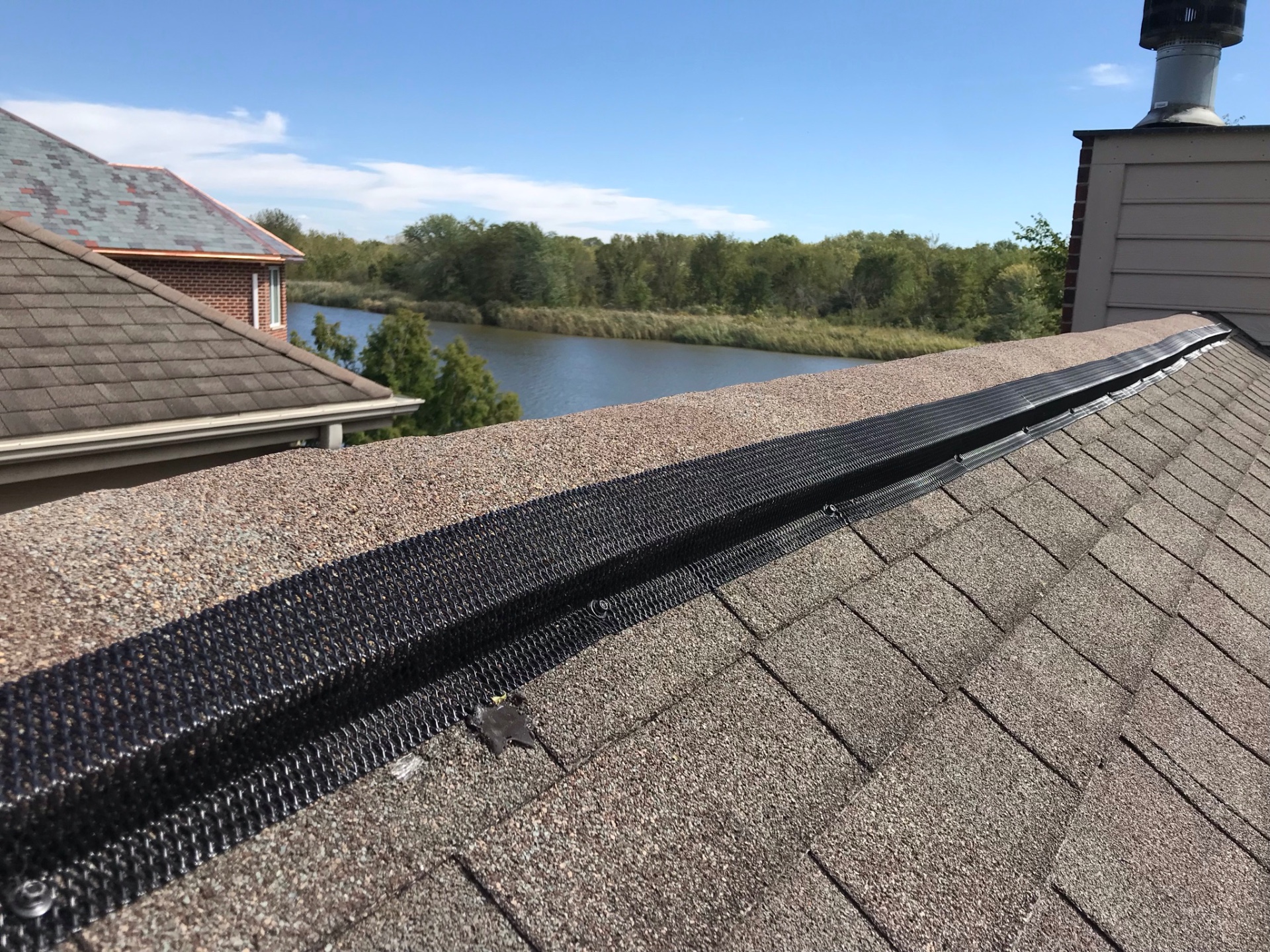
A photo-documented entry point map, an assessment of contamination in the attic, a written scope of the exclusion and sealing work, and a scheduled exclusion date that respects the maternity calendar.
Bat Inspections FAQ
How long does an inspection take?+
Typically 45 to 90 minutes for the structure, plus a separate dusk visit if an emergence observation is needed.
Can you tell how many bats are in there?+
An emergence count gives a solid working number. Attics with multiple exits or heavy clutter make exact counts harder, which is one more reason to watch the building rather than guess.
What if you find no active roost?+
Then you get the entry point map and a sealing recommendation, which is worth having anyway. An open roofline is what invites the next colony.
Do you inspect in winter?+
Yes, for exterior condition and sealing planning. Overwintering behavior for Alaska bats is not fully resolved, so we do not assume a quiet building is an empty one.
Get the Colony Out and Keep It Out
We inspect, seal, exclude, remove and clean up. Call and we will walk you through what the job looks like on your building.
(907) 299-9790Request a Bat Inspection
Tell us what you are seeing or hearing: scratching in a ceiling, bats leaving the roofline at dusk, droppings on the siding, or an odor in the attic.
Serving Anchor Point, Kenai, Soldotna, Homer and the surrounding Peninsula.