
Bat Proofing & Roofline Sealing
The Critter Squad Inc. provides bat proofing and roofline sealing across the Kenai Peninsula. Sealing is what makes an exclusion permanent, and it is worth doing on buildings that do not have bats yet. We close the roofline gaps that colonies use while keeping the attic properly ventilated.
Bat Proofing & Roofline Sealing
- Screened vent work that maintains attic ventilation
- Soffit, fascia and roof-return gap closure
- Gable peak and roof notch sealing on steep-gable cabins
- Roof-to-siding transition and eave intersection sealing
- Utility penetration sealing around conduit and pipes
- Repair of loose or warped siding at roofline joints
How the Work Runs
Map every gap in the envelope, active or not.
Separate secondary gaps, which get sealed first, from active entrances.
Close openings with durable materials fitted to the building.
Walk the finished roofline and document the completed work.
More About Bat Proofing & Roofline Sealing
Sealing Is What Makes the Exclusion Permanent
A one-way device empties the building. Sealing is what keeps it empty. Every gap that is not the active exit gets closed before the devices go on, and the active entrances are closed permanently once the structure is verified empty.
On Kenai Peninsula buildings that usually means the full roofline: soffit and fascia joints, gable ends and roof peaks, ridge and gable vents, roof-to-siding transitions, chimney flashing, and the siding joints that open up after a few hard winters.
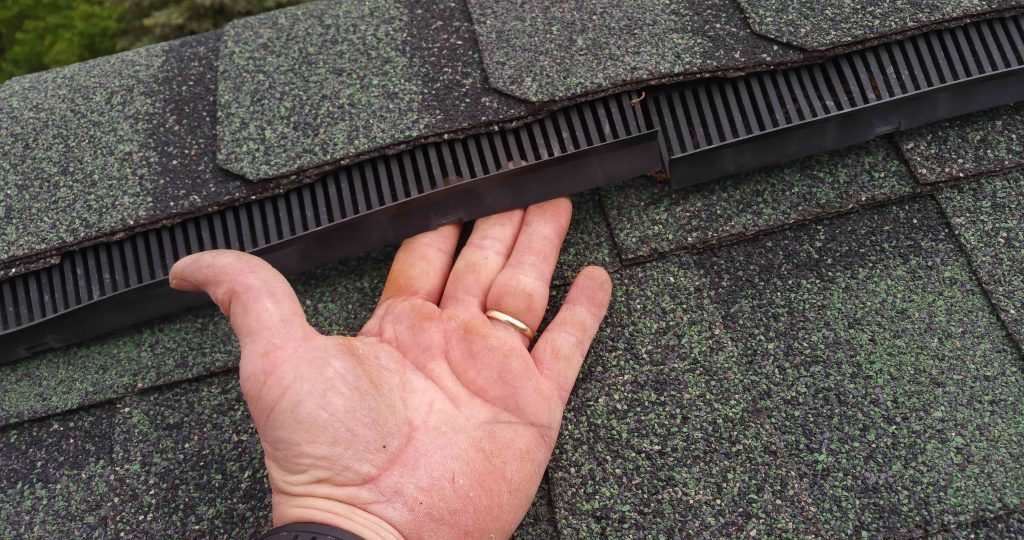
- Screened and sealed gable, ridge and exhaust vents that still ventilate
- Closed soffit, fascia and roof-return gaps
- Sealed roof-to-siding transitions and eave intersections
- Gable peak and roof notch closure on steep-gable cabins and A-frames
- Sealed utility penetrations around conduit, pipes and exterior lines
- Repair of loose or warped siding at upper wall and roofline joints
The Gaps We Find Open Most Often
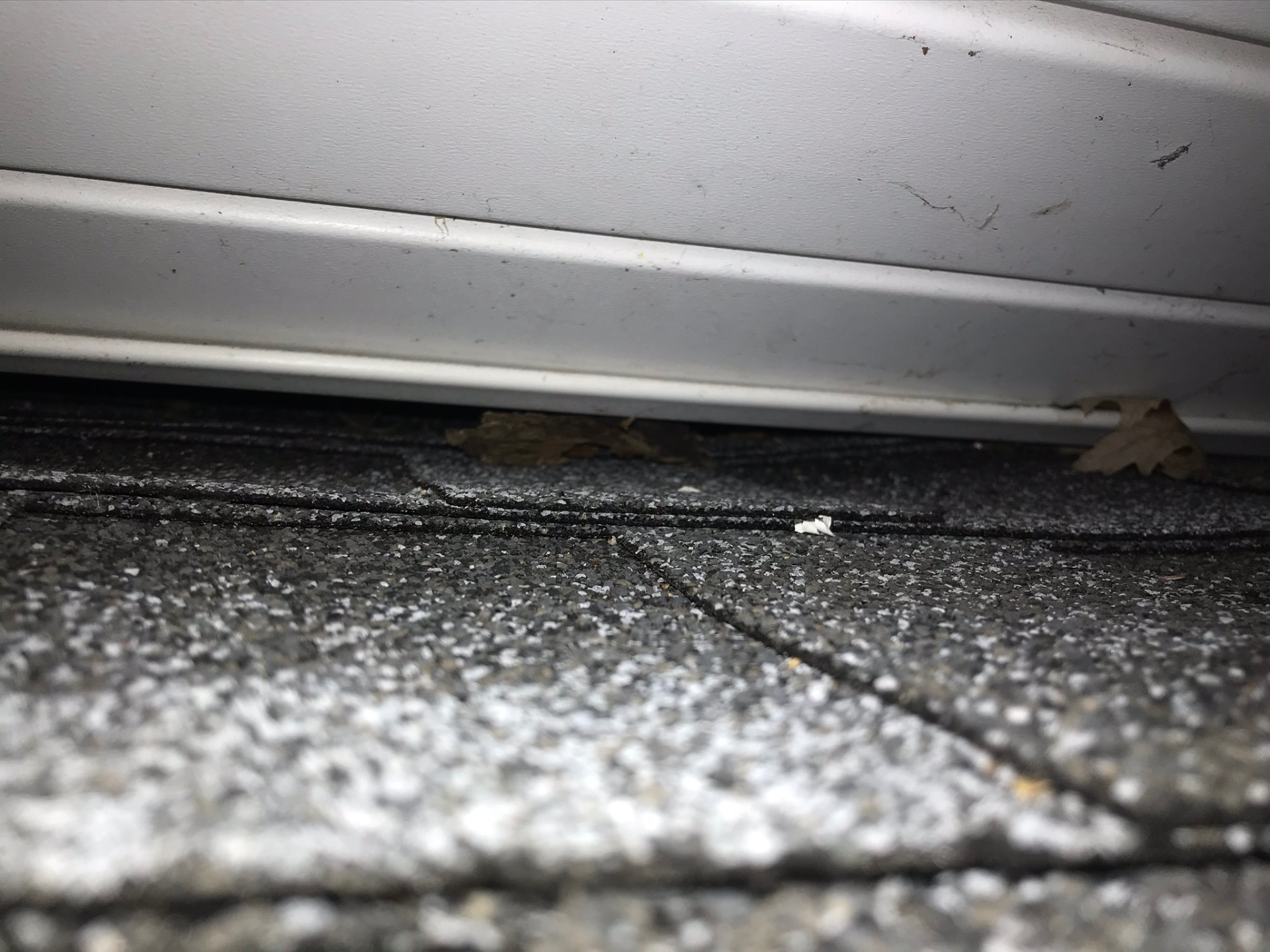
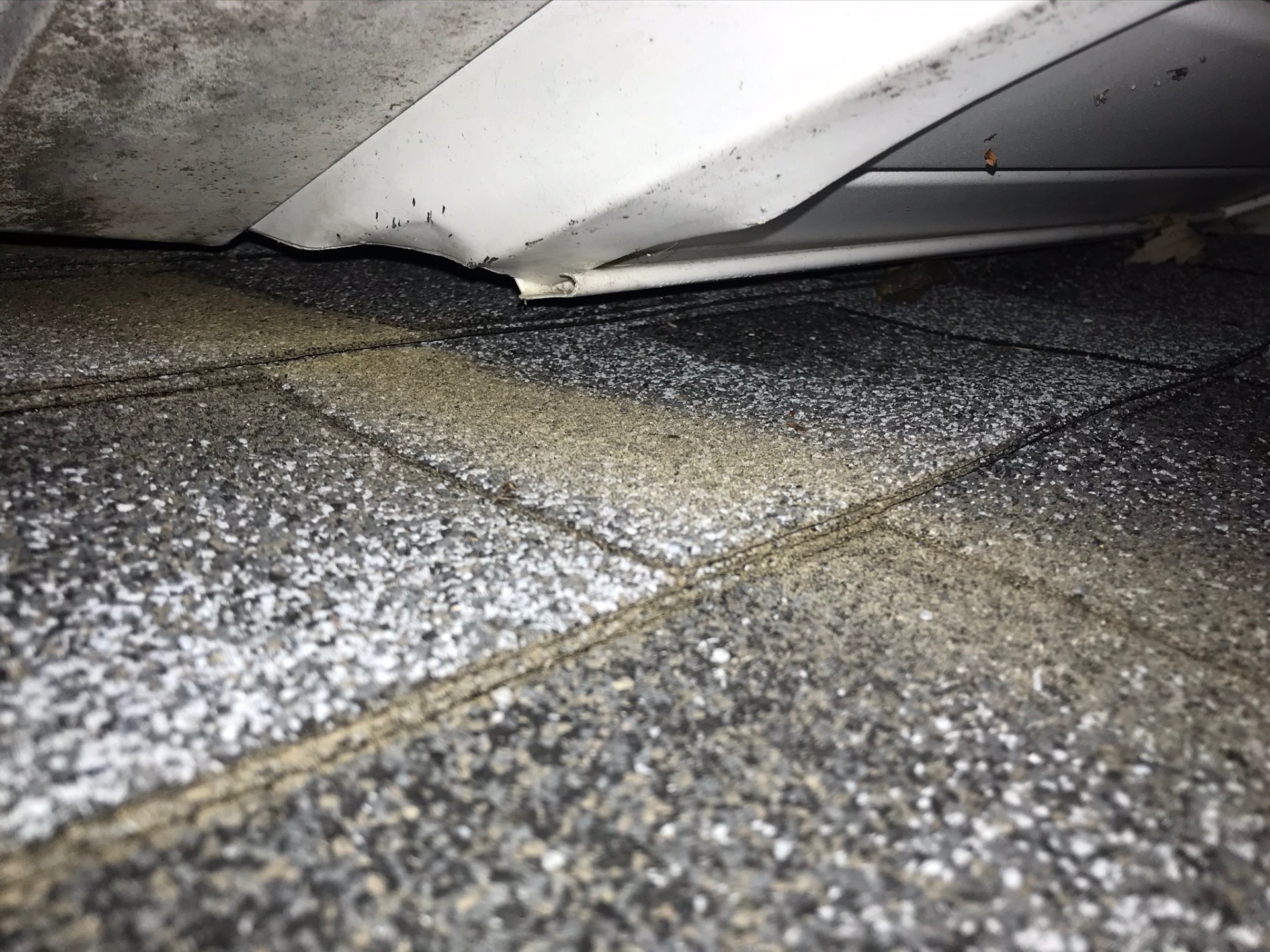
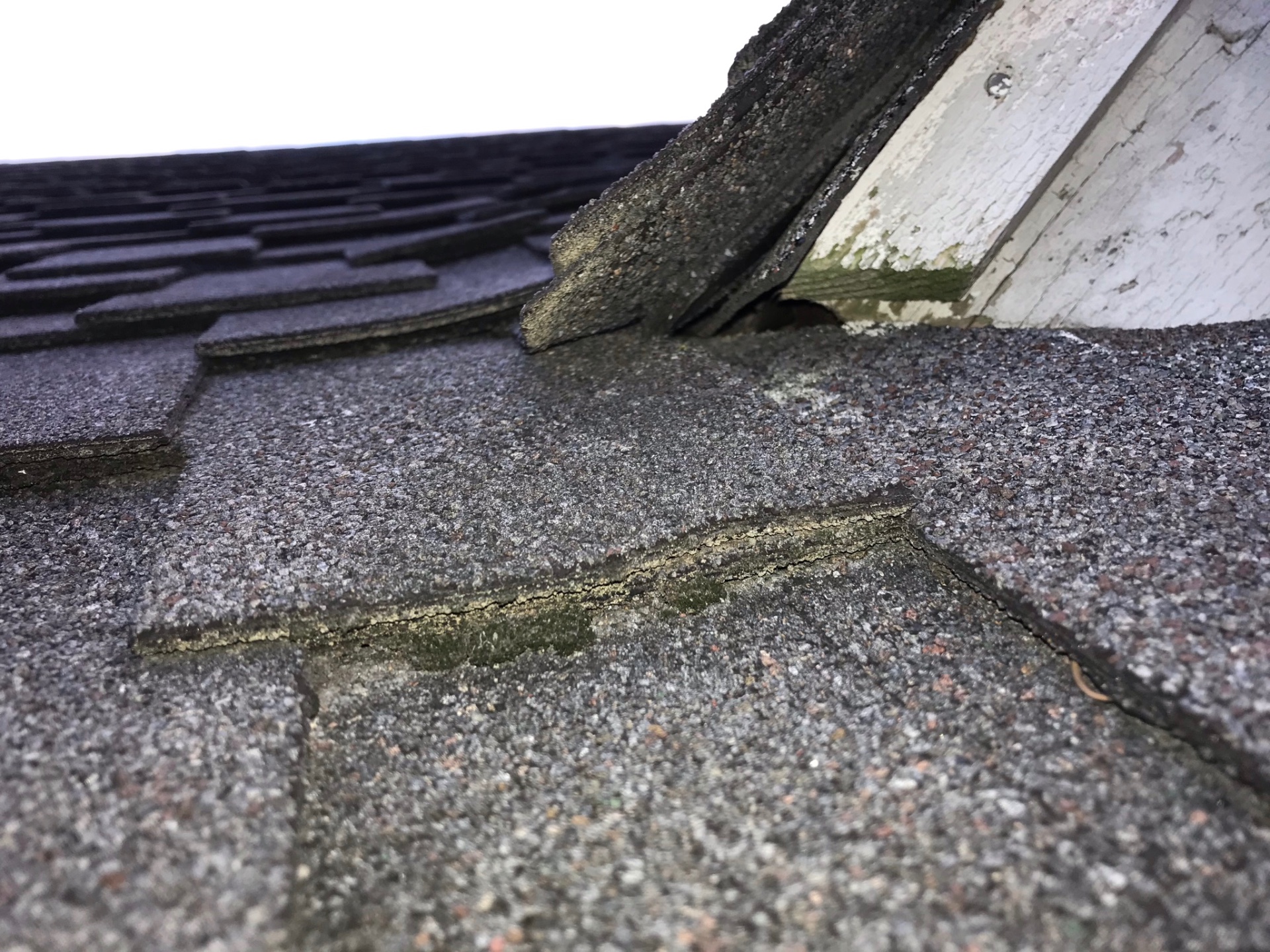
The soffit-to-roof junction is the single most common opening on Peninsula homes. The soffit return does not land tight against the shingle course, and the resulting slot runs the length of the roof edge with a straight path into the attic.
Lifted ridge vents are next. The vent material pulls away from the shingles over a few winters and leaves an open run along the peak, which is prime real estate for a colony because it is warm and undisturbed.
Ridge Guard and Vent Work
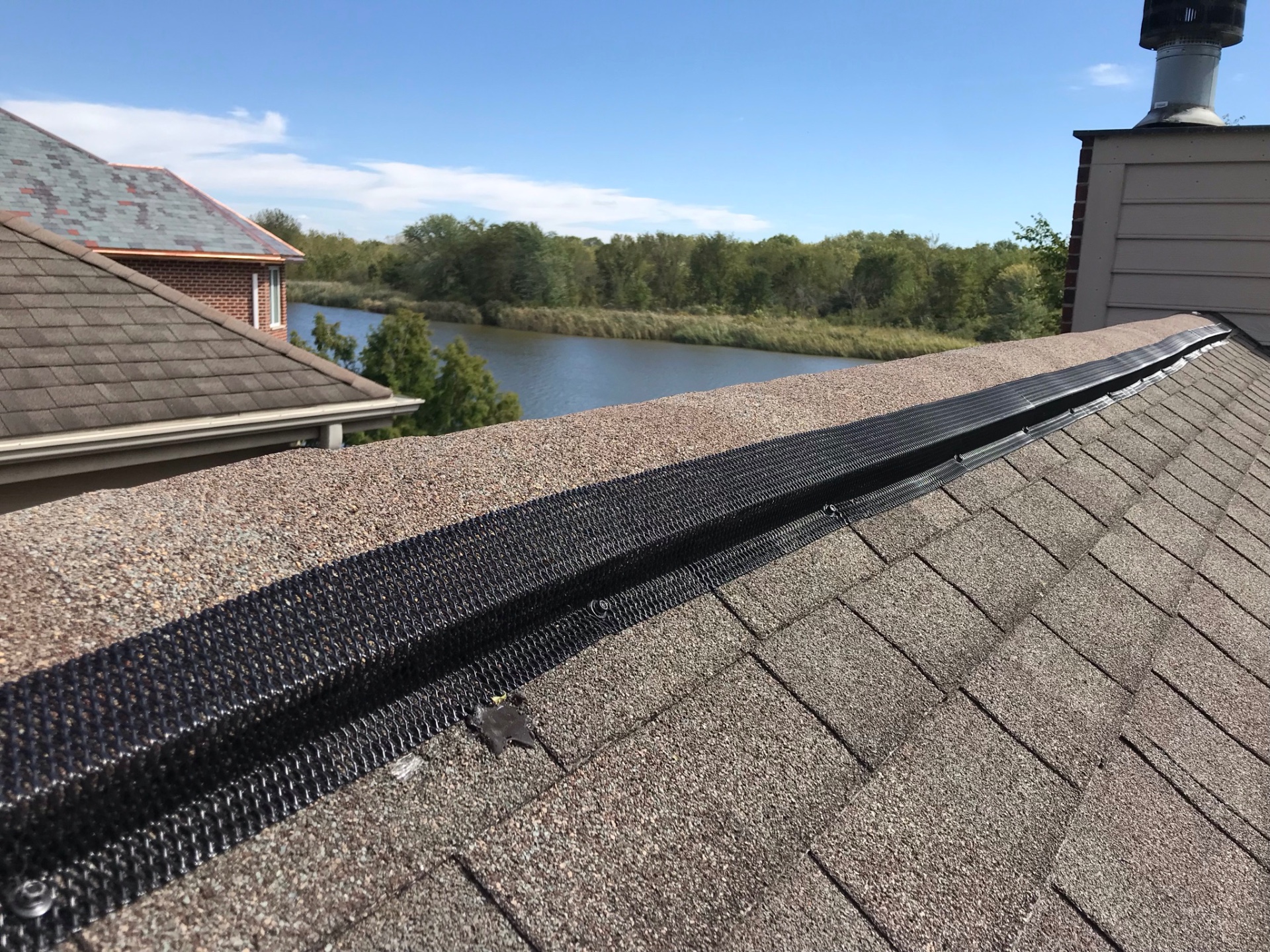
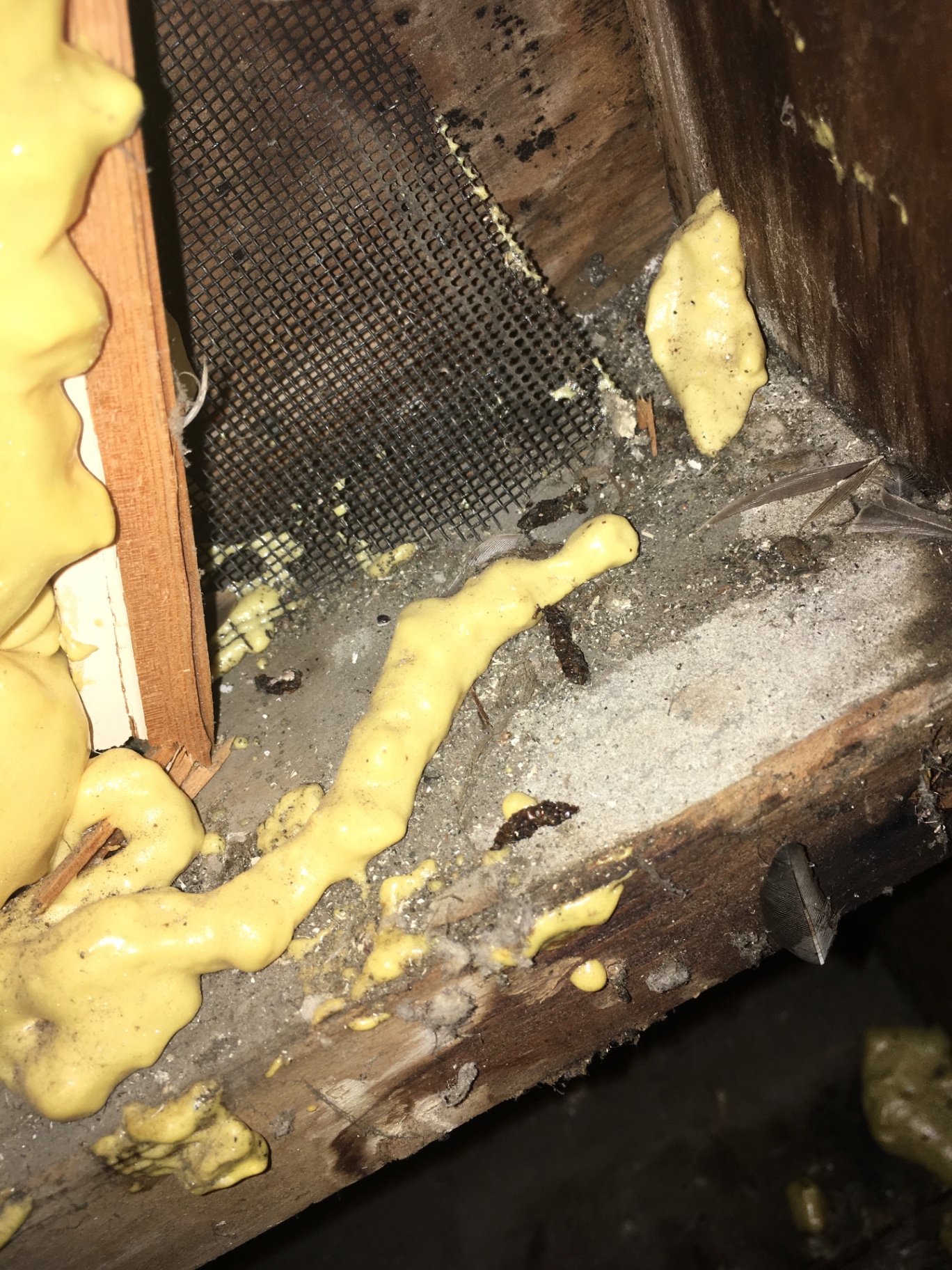
Ridge vents cannot simply be sealed shut. We install ridge guard over the full run so the vent keeps exhausting attic air while the gap is closed to bats, and we screen gable and exhaust vents the same way.
Proofing a Building That Does Not Have Bats Yet
Plenty of properties on the Peninsula have the openings but not yet the colony, particularly older wood-sided homes and cabins that sit empty for part of the year. Closing those gaps outside the active season is cheaper than exclusion, cleanup and insulation replacement later.
Bat Proofing & Roofline Sealing FAQ
Will sealing block my attic ventilation?+
No. Vents are screened or fitted so air still moves. Blocking ventilation in an Alaska attic causes moisture problems, which is a different expensive repair.
Can you seal in winter?+
Exterior sealing depends on weather and access, but winter and shoulder seasons are often good for proofing work on buildings without an active roost.
How small an opening do bats use?+
Small enough that a gap you would not think twice about at the roofline is enough. That is why we seal the whole envelope rather than the obvious hole.
Does sealing keep other wildlife out?+
Closing roofline gaps helps generally, but bat proofing is specified for bats. Tell us if you also have rodent or bird activity and we will scope it.
Get the Colony Out and Keep It Out
We inspect, seal, exclude, remove and clean up. Call and we will walk you through what the job looks like on your building.
(907) 299-9790Request a Bat Inspection
Tell us what you are seeing or hearing: scratching in a ceiling, bats leaving the roofline at dusk, droppings on the siding, or an odor in the attic.
Serving Anchor Point, Kenai, Soldotna, Homer and the surrounding Peninsula.