Attic Bat Removal
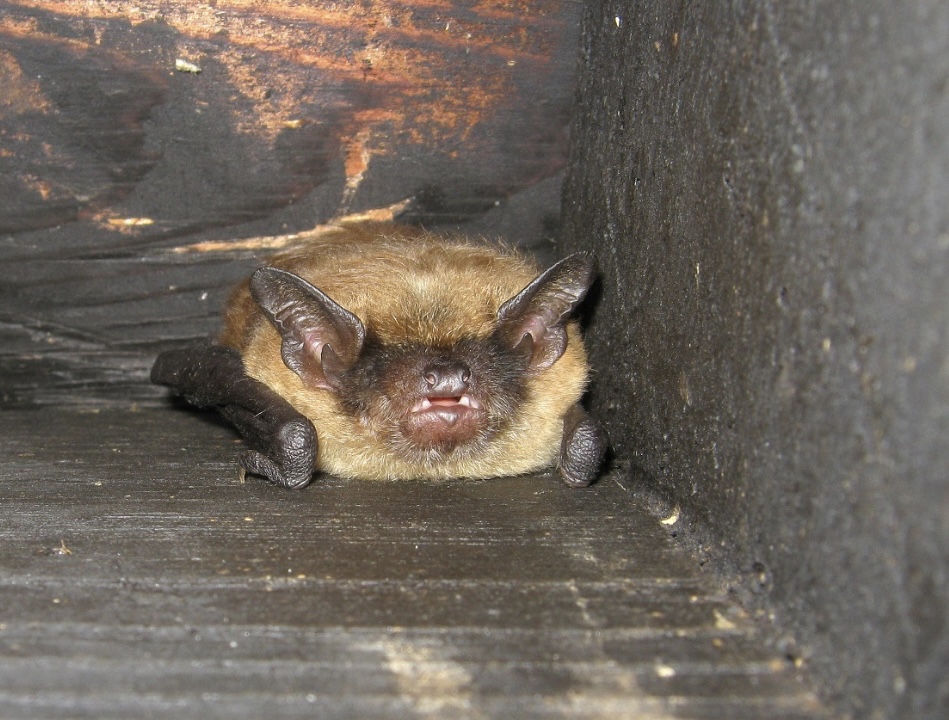
The Critter Squad Inc. provides attic bat colony removal across the Kenai Peninsula. Warm attics and furnace rooms are where Alaska's known maternity roosts are most often found. If you hear chirping and fluttering overhead near dusk, or you are seeing guano below the eaves, this is the service for you.
Attic Bat Removal
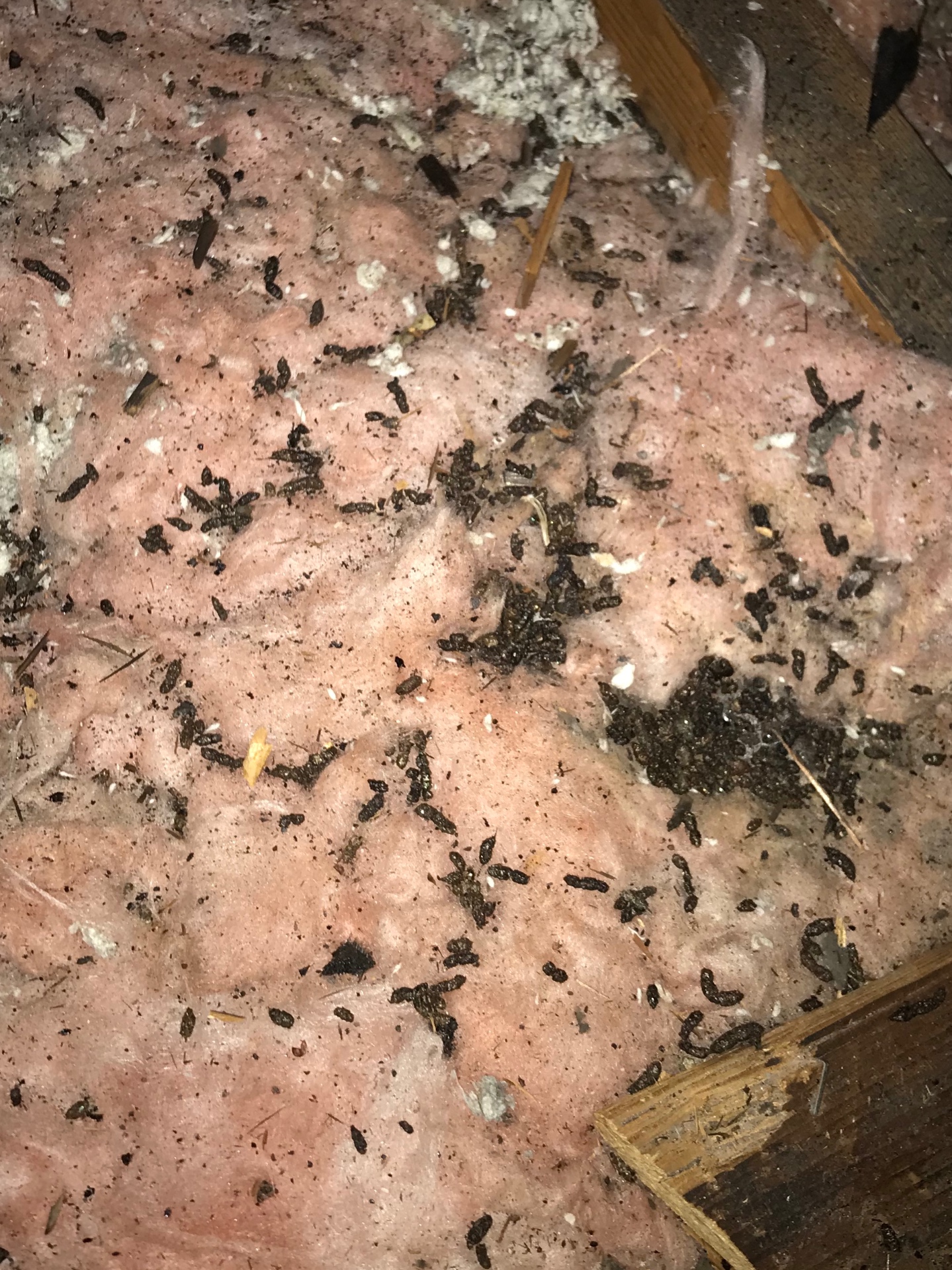
- Attic roost location and guano mapping
- Maternity roost assessment
- Identification of the openings feeding the attic
- Interior separation where bats reach living space
- Humane exclusion scheduled for the correct window
- Contaminated insulation removal and replacement
How the Work Runs
Inspect the attic for roost points, guano, staining and odor migration into living space.
Trace the openings that feed the attic and confirm them at dusk.
Run the one-way device sequence at the appropriate time of year.
Remove contaminated material, treat surfaces and replace insulation.
More About Attic Bat Removal
Why Attics, and Why Alaska Attics Specifically
Alaska Fish and Game reports that most known maternity roosts in the state are in buildings, particularly warm attics and furnace rooms. In a short summer, heat is the limiting factor for raising a pup, and a sun-loaded attic under a dark roof holds heat better than any tree cavity available on the Kenai Peninsula.
That is why a colony that finds your attic tends to come back. Females return to roost sites that worked, and the same opening gets reused season after season until it is closed.
What an Attic Colony Does to the Building
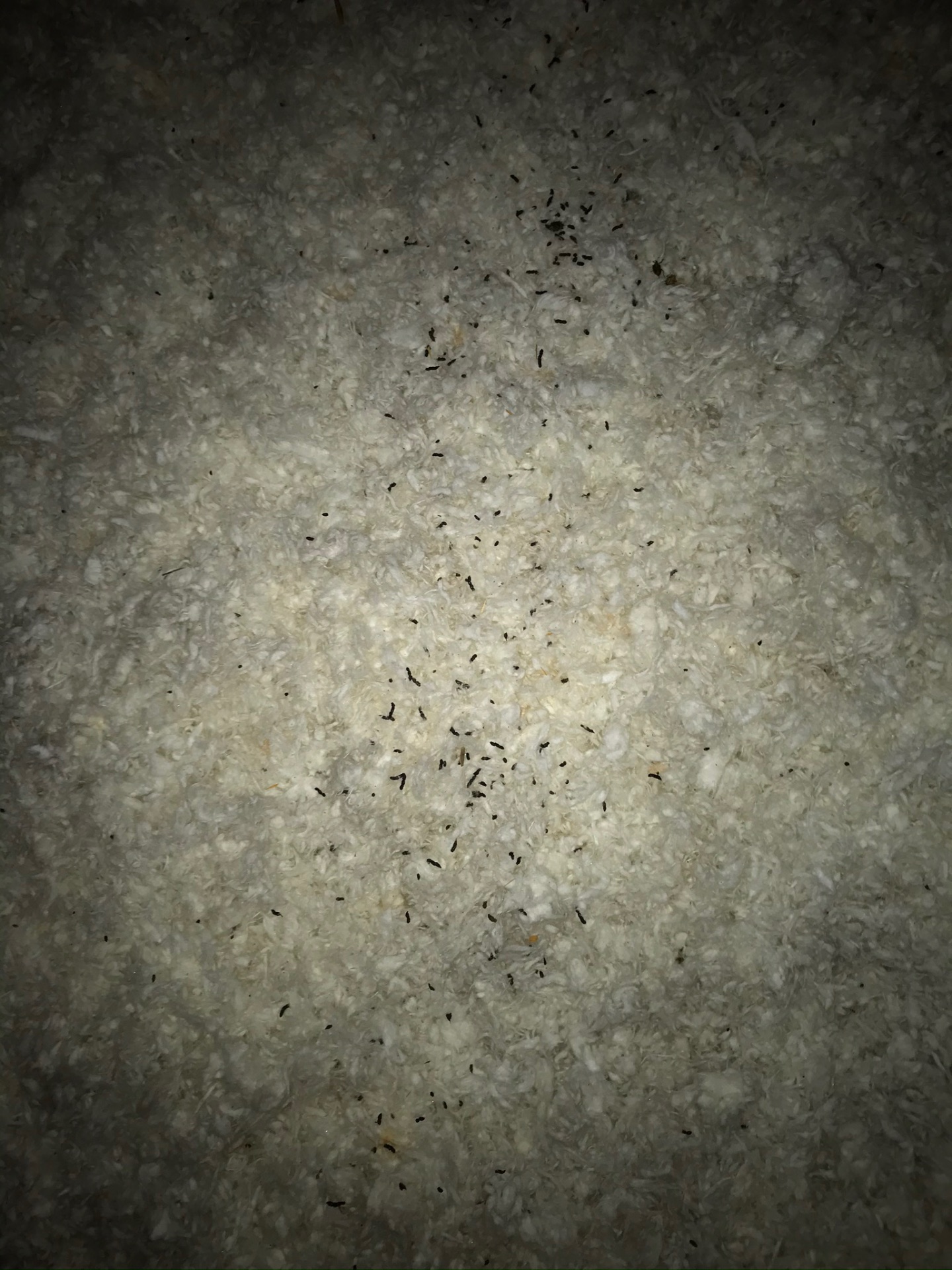
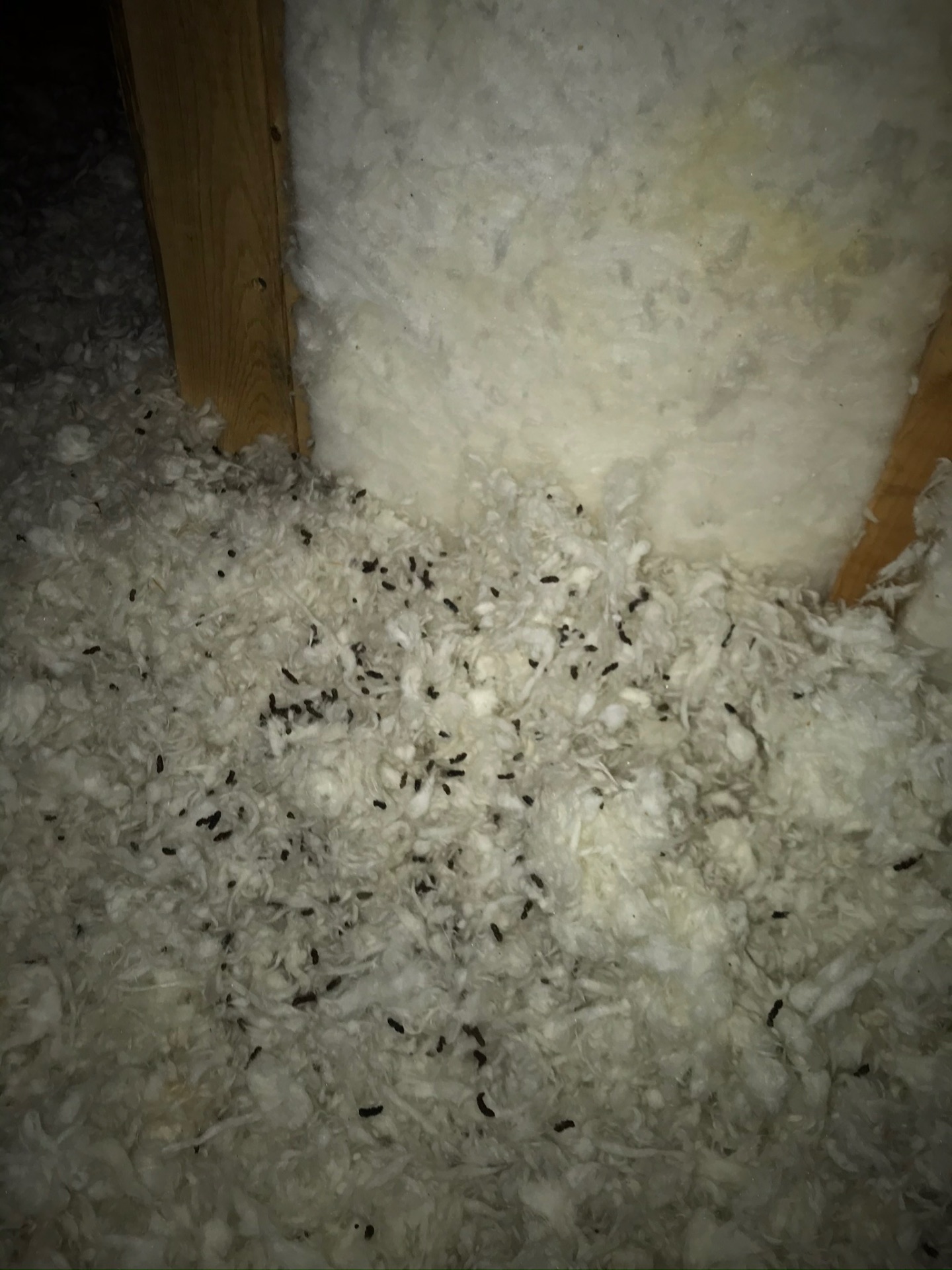
Guano and urine accumulate below roosting points, soak into insulation, and carry an ammonia odor into the living space through can lights, bath fans and attic hatches. Insulation loses effectiveness once it is compacted and contaminated, and the smell is a persistent attractant.
- Guano piles below ridge beams, rafters and roost points
- Urine staining on framing and sheathing
- Odor pushed into bedrooms and hallways through ceiling penetrations
- Contaminated insulation that needs removal rather than spot cleaning
- Return activity at the same entrance every spring
When a Bat Ends Up in the Living Space
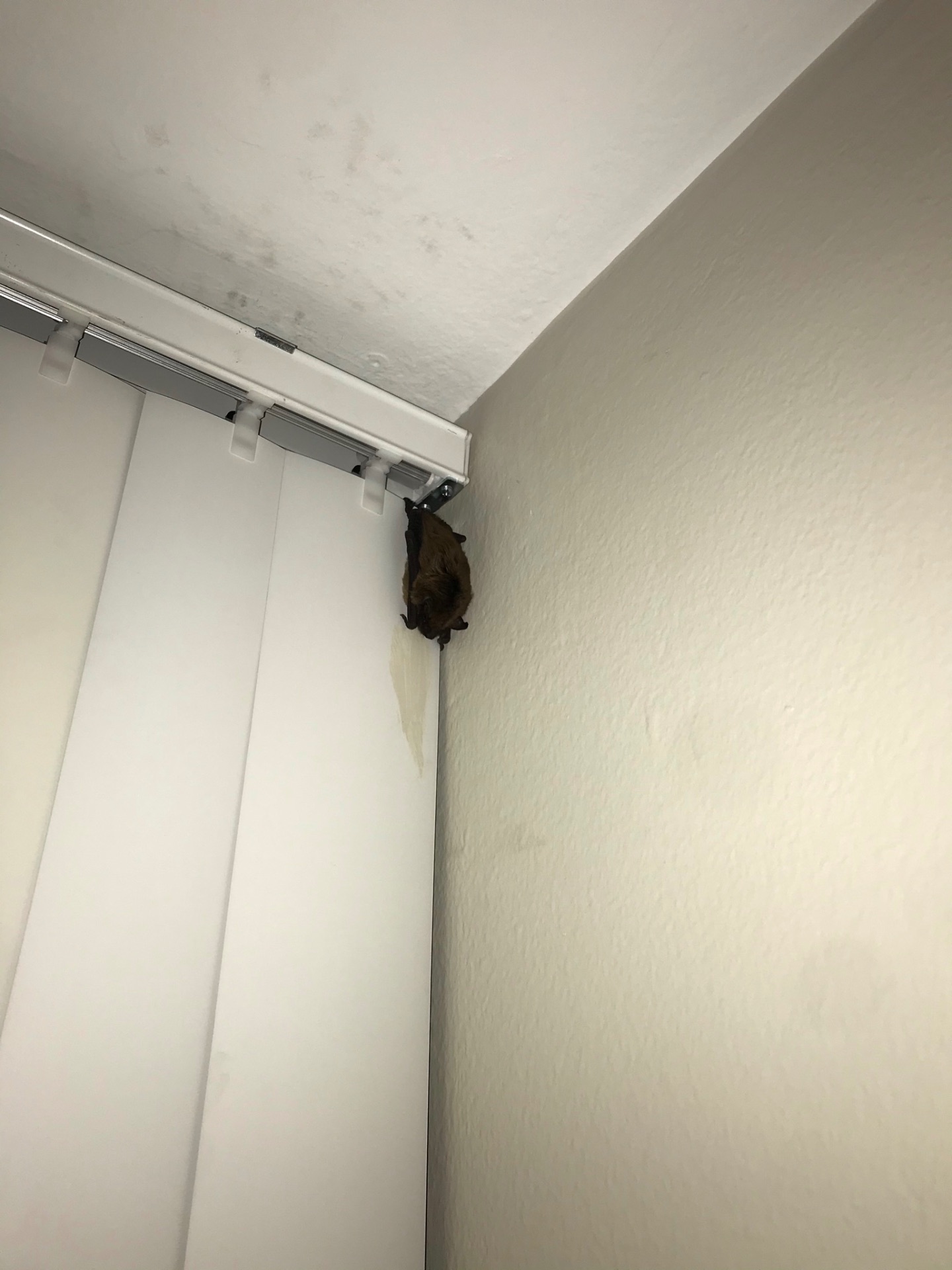
A colony in the attic eventually puts a bat in the house. They follow the same ceiling penetrations the odor comes through: can lights, bath fan housings, attic hatches and the gaps around chimney chases. Homeowners find them on curtain tracks, in corners and hanging off trim.
Do not swat it and do not handle it barehanded. Close the room off, call us, and we will net the bat, get it out, and then deal with the reason it was inside in the first place.
The Order of Operations
Bats out, building sealed, attic cleaned. Cleaning first is wasted money because the colony is still depositing. Sealing first without an exit traps the animals inside. The sequence is not flexible.
Attic Bat Removal FAQ
Can I just block the attic vent myself?+
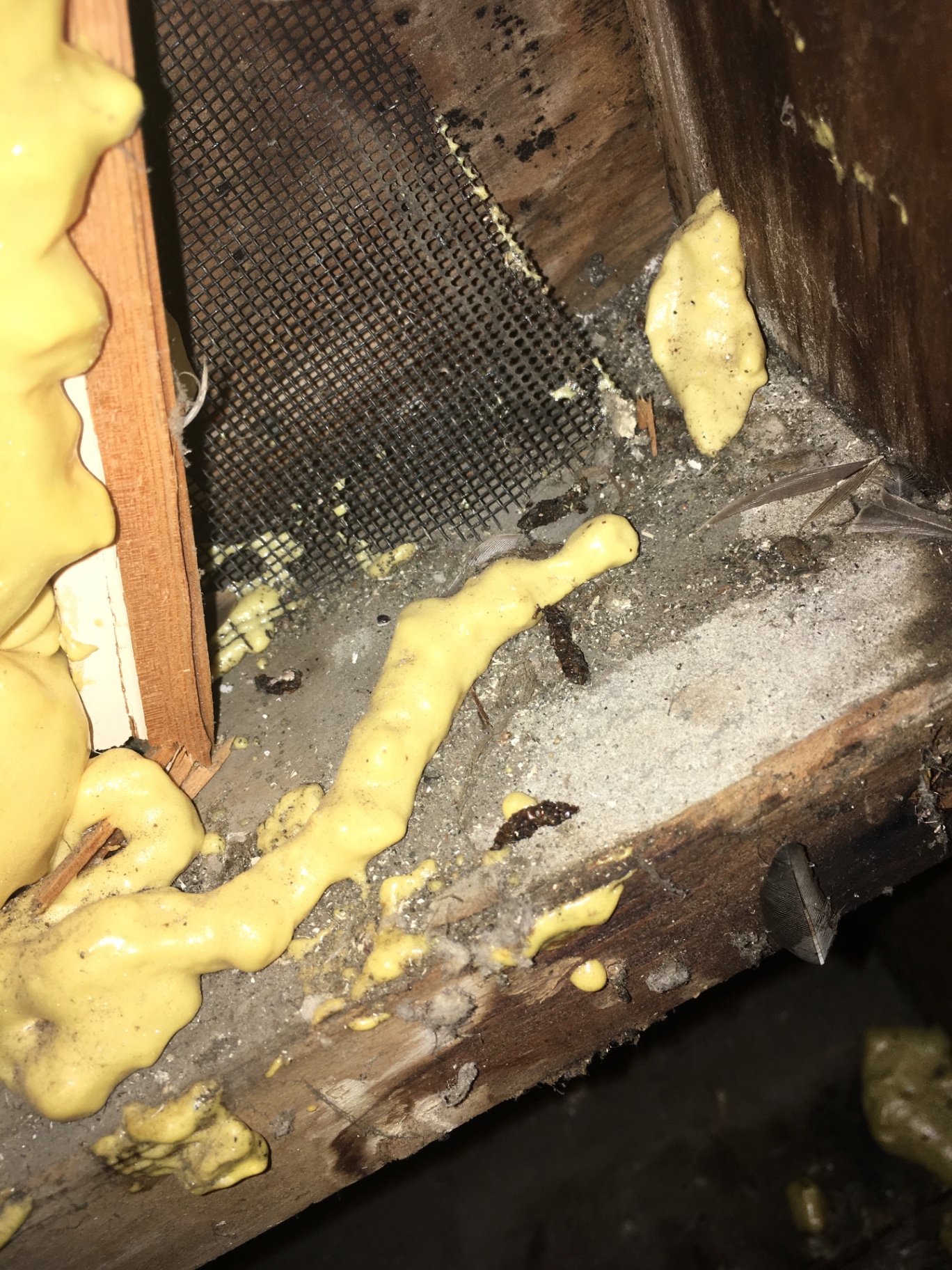
Not while bats are using it. Blocking an active entrance seals the colony inside, which pushes them into wall voids and living space and leaves you with a much worse problem.
Is the noise definitely bats?+
Soft chirping and fluttering that intensifies around dusk points to bats. Heavier scampering at dawn is usually a rodent. A dusk observation settles it.
Will the bats damage my wiring?+
Bats do not gnaw like rodents. The damage from a bat colony is contamination, odor and degraded insulation rather than chewed wire.
How long has the colony likely been there?+
Guano depth is a rough indicator. Established maternity roosts often go unnoticed for several seasons, particularly in buildings that are only occupied part of the year.
Get the Colony Out and Keep It Out
We inspect, seal, exclude, remove and clean up. Call and we will walk you through what the job looks like on your building.
(907) 299-9790Request a Bat Inspection
Tell us what you are seeing or hearing: scratching in a ceiling, bats leaving the roofline at dusk, droppings on the siding, or an odor in the attic.
Serving Anchor Point, Kenai, Soldotna, Homer and the surrounding Peninsula.