Chimney & Vent Bat Removal
The Critter Squad Inc. provides chimney and vent bat removal across the Kenai Peninsula. Chimneys and vents are listed among the most common bat entrances into buildings. We confirm activity, run the device sequence at the right time, and cap or screen the opening permanently.
Chimney & Vent Bat Removal
- Flue, damper and chase inspection
- Confirmation of active use before any work
- One-way device installation at the flue or vent
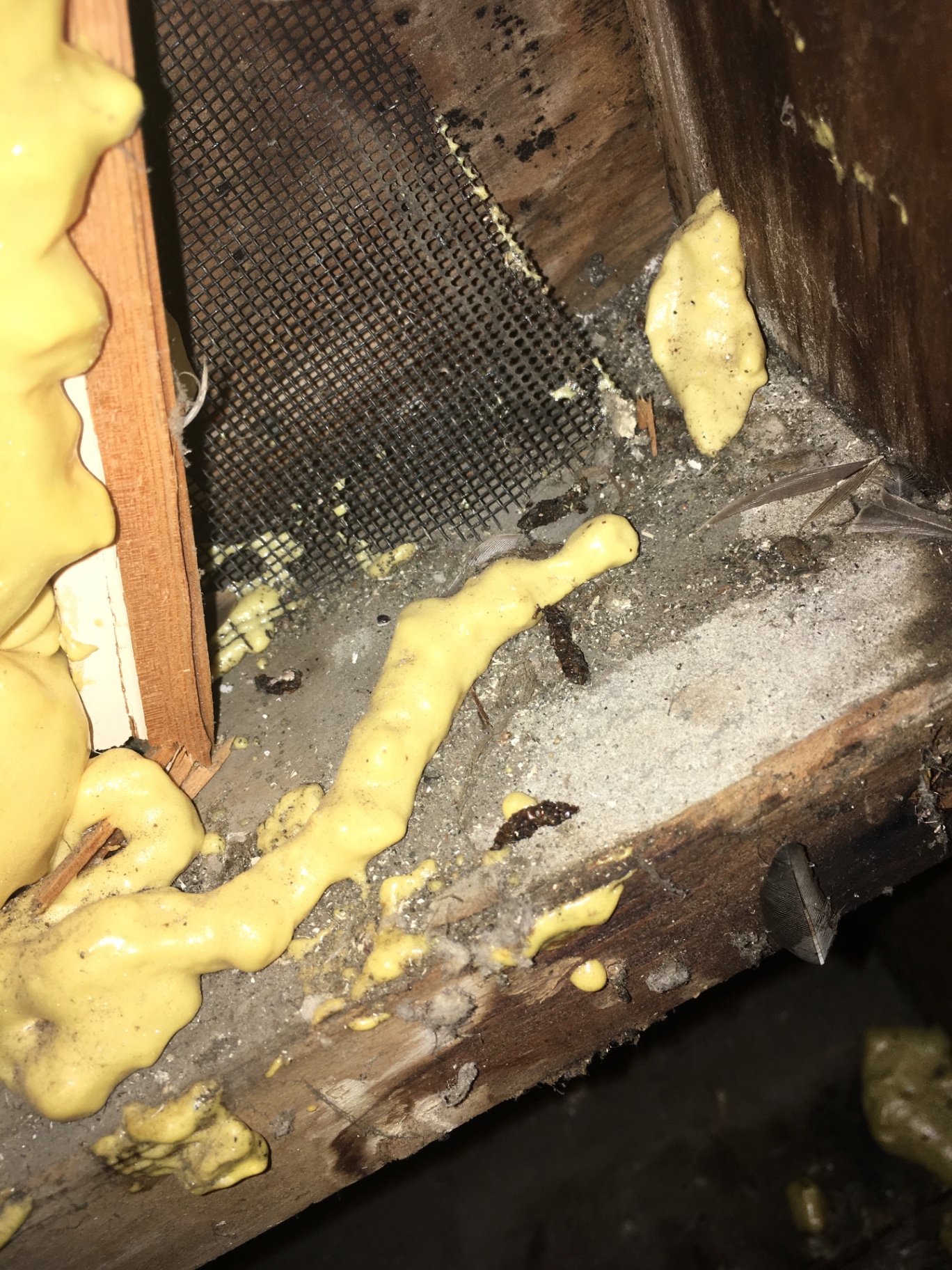
- Guano and debris removal from the smoke shelf
- Permanent chimney cap and chase cover installation
- Screened covers on dryer, bath and range exhausts
How the Work Runs
Check the flue, damper, chase and every exhaust penetration on the building.
Verify active use through emergence observation before installing anything.
Install the appropriate one-way device and seal secondary openings.
Clean the shaft and install a permanent cap or screened cover.
More About Chimney & Vent Bat Removal
Chimneys, Flues and Vents
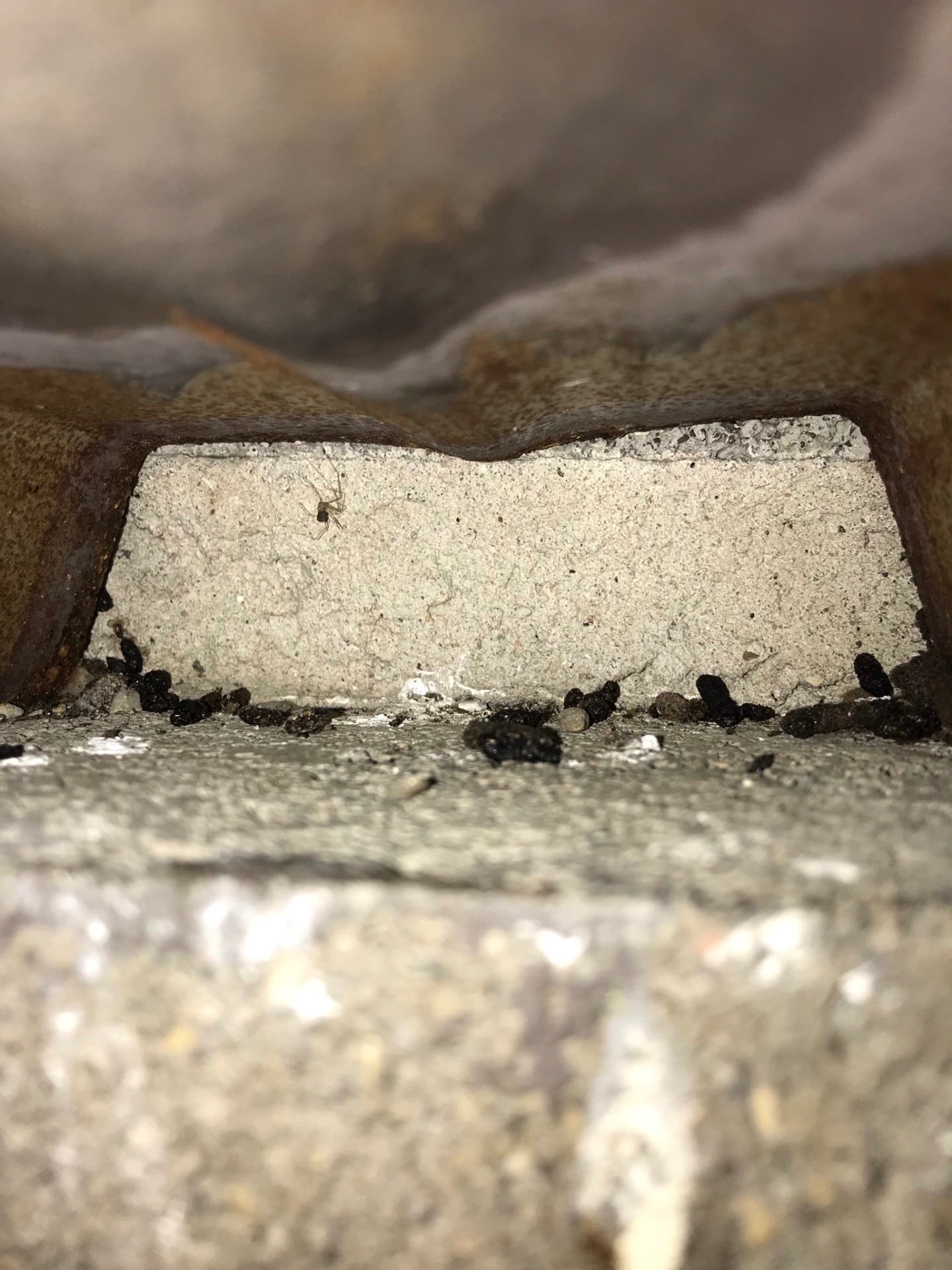
Alaska Fish and Game lists chimneys and vents among the common building entrances for bats. An uncapped flue or a failed chase cover is a direct route into a warm shaft. Bats roosting in a flue produce noise that carries into the living space through the firebox and damper, and guano collects on the smoke shelf.
The approach is the same as any other entry point: confirm activity, install the appropriate one-way device at the correct time of year, seal secondary openings, then cap permanently.
Do Not Light a Fire
Lighting a fire to drive bats out kills them in the flue and turns a straightforward exclusion into a cleanup job. Closing the damper on an active roost traps animals with no exit. Neither is a solution and both make the odor problem worse.
Ridge Vents at the Roof Peak
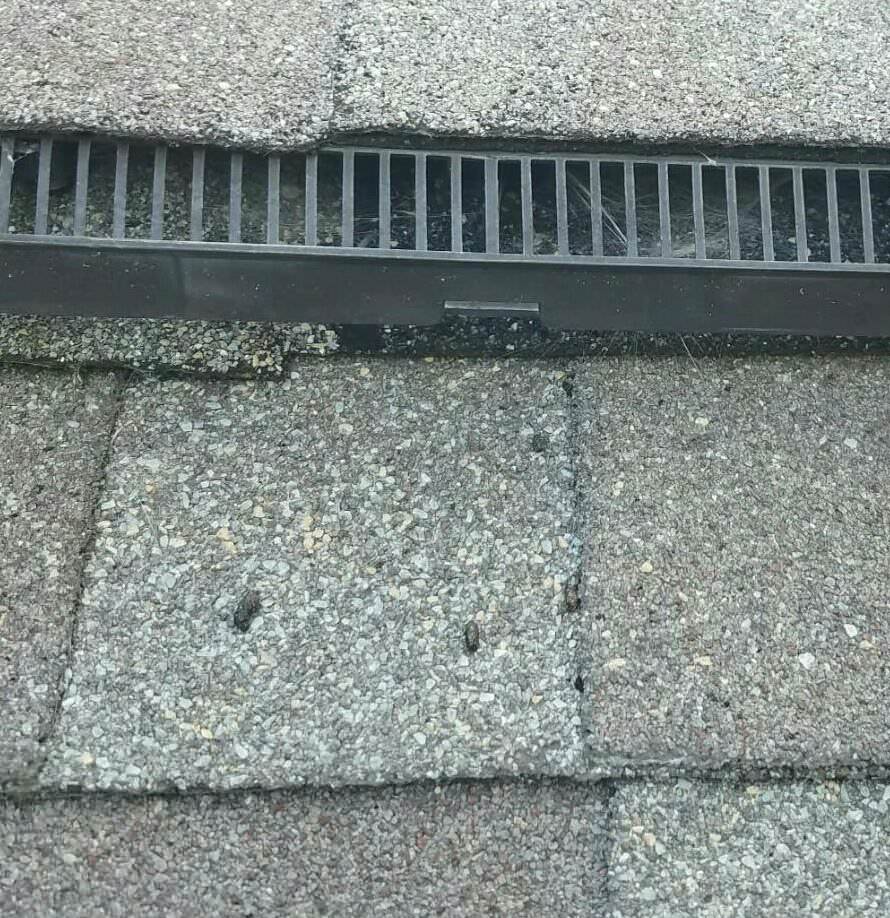
Ridge vents are one of the most common ways bats get into a Peninsula attic. The vent material lifts off the shingle course over a few winters and leaves an open run along the entire peak, warm and undisturbed, with a direct drop into the attic.
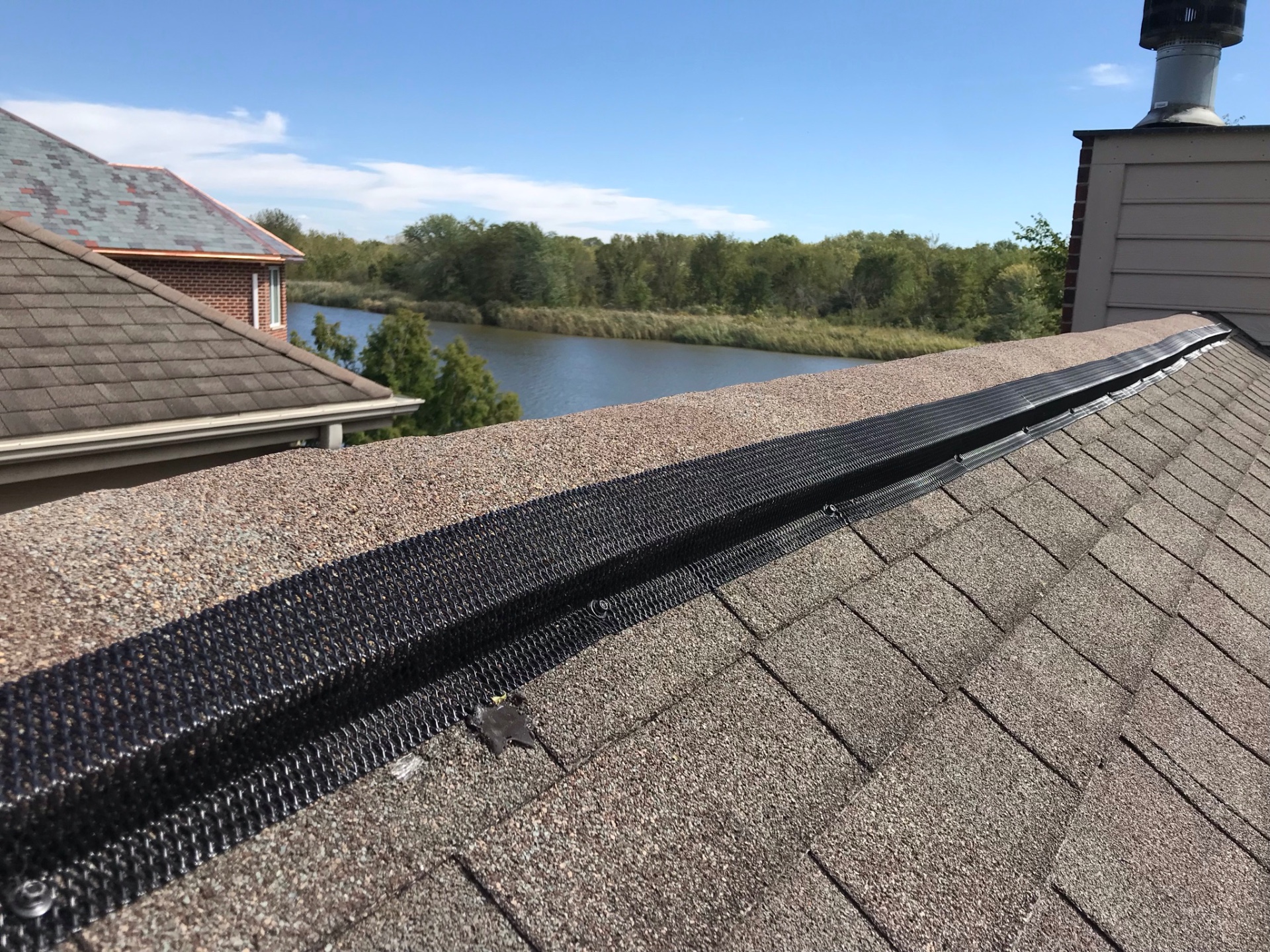
You cannot seal a ridge vent shut without creating a moisture problem, so we install ridge guard over the full run. Air keeps exhausting, the gap closes to bats, and the peak stops being an entrance.
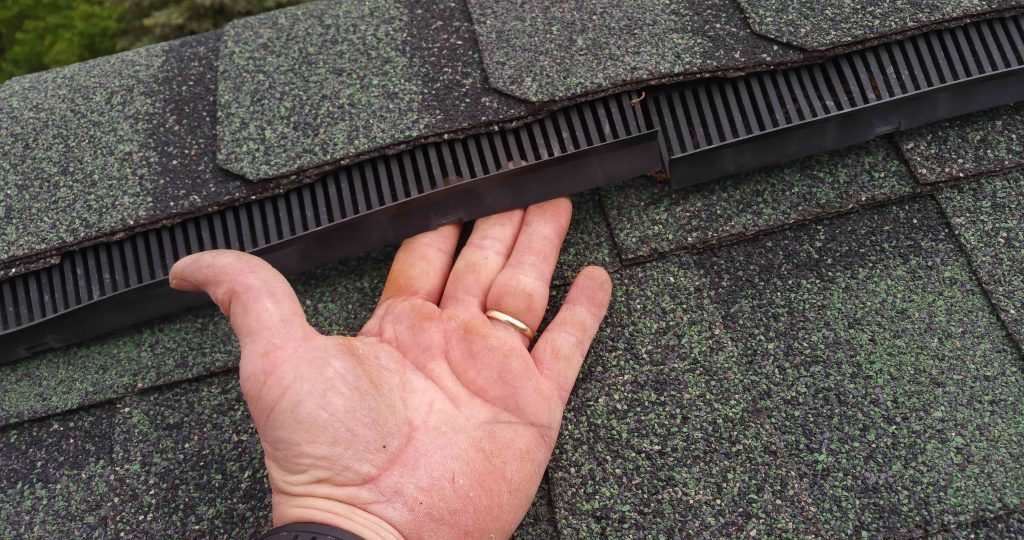
Ridge Guard Installation
Ridge guard is fitted along the length of the peak and fastened down so the vent still breathes while the opening is closed. We run it as part of the sealing phase on exclusions and as standalone proofing on buildings that do not have bats yet.
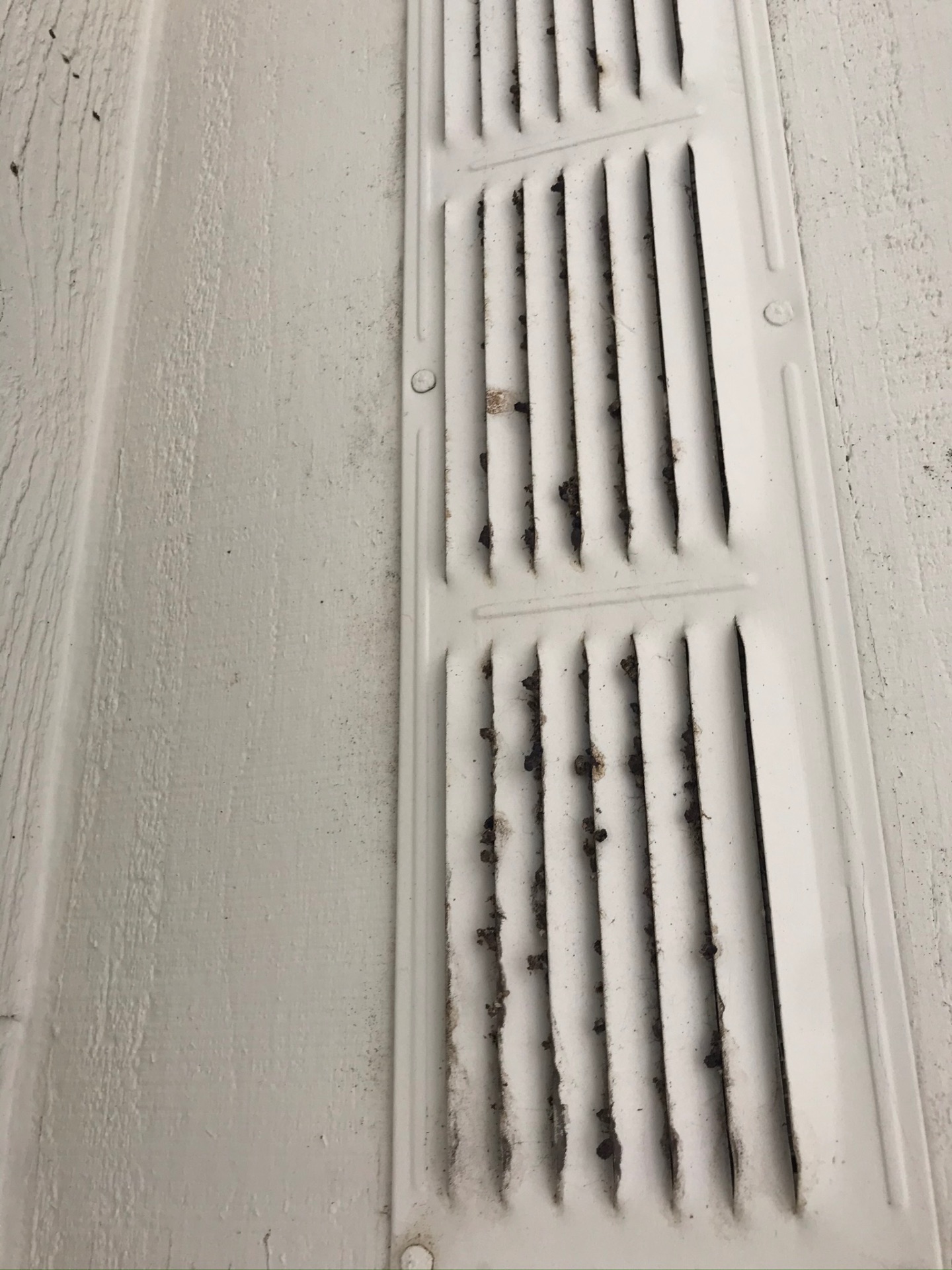
Vents and Exhaust Penetrations
Dryer vents, bath fans, range hoods and unscreened exhaust penetrations are the same problem at a smaller scale. They get device work if active, and screened covers that maintain airflow when they are sealed.
Chimney & Vent Bat Removal FAQ
Should I just close the damper?+
No. That traps the animals in the flue with no way out, and the odor that follows is far worse than the noise.
Do you install the cap?+
Yes. Permanent capping and chase cover work is part of closing the chimney as an entry point.
Can bats get from the chimney into the house?+
Yes, through a gap at the damper or an open firebox, which is one of the more common ways a bat ends up in living space.
Do I still need a chimney sweep?+
We clear bat-related debris and guano. A creosote sweep is a chimney sweep's job and we will tell you if the flue needs one.
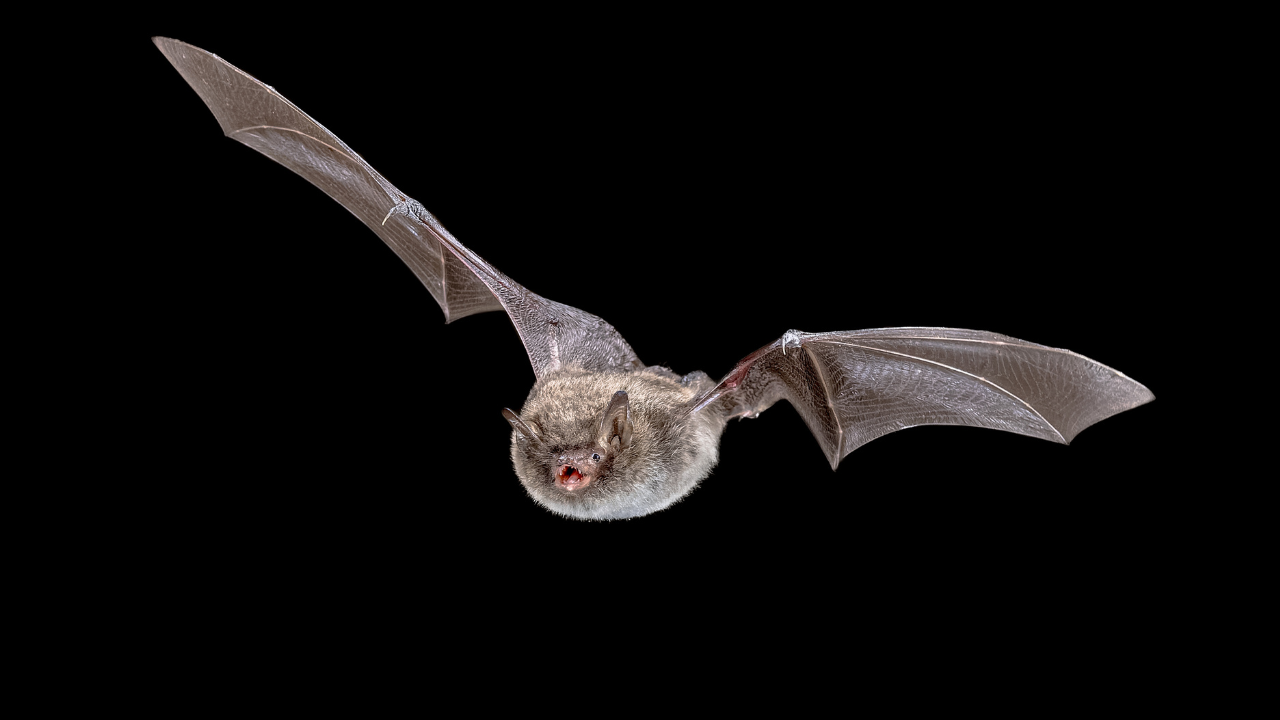
Get the Colony Out and Keep It Out
We inspect, seal, exclude, remove and clean up. Call and we will walk you through what the job looks like on your building.
(907) 299-9790Request a Bat Inspection
Tell us what you are seeing or hearing: scratching in a ceiling, bats leaving the roofline at dusk, droppings on the siding, or an odor in the attic.
Serving Anchor Point, Kenai, Soldotna, Homer and the surrounding Peninsula.